Vegan Meal Replacement: What Actually Makes One Vegan
A vegan meal replacement has to be free of animal inputs everywhere on the label, not just in the protein source, which means the vitamin D3, the omega-3, the probiotic carrier and even the capsule shell all have to check out. Plenty of "plant-based" shakes fail on one of those details, so the label is where a vegan claim actually gets tested.
Shop the Essentials range
View all products →
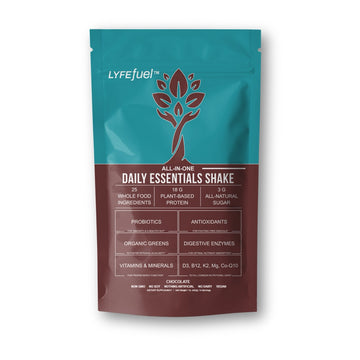
Essentials Shake
Chocolate · 24 servings
★★★★★★★★★★ 4.63 (1566)

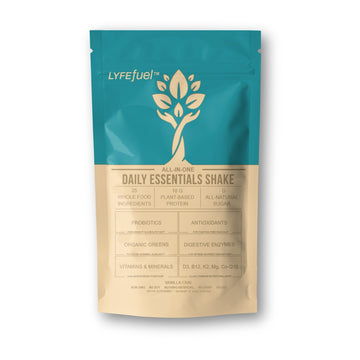
Essentials Shake
Vanilla Chai · 24 servings
★★★★★★★★★★ 4.63 (1566)

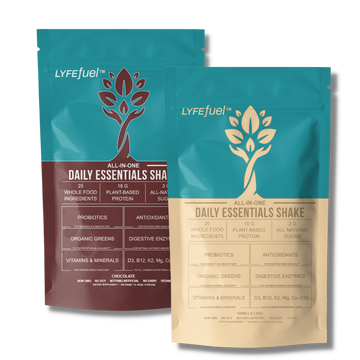
Essentials Bundle
2x Vanilla · free shaker
★★★★★★★★★★ 4.63 (1566)
Key Takeaways
- Plant protein is the easy part. Vitamin D3, omega-3 and probiotics are where non-vegan inputs usually hide.
- Vitamin D3 is traditionally sourced from lanolin, sheep's wool grease. Vegan versions use lichen instead.
- Omega-3 in most vegan formulas is ALA from flax or chia, not the EPA and DHA that fish oil provides. The body converts ALA to EPA/DHA poorly.
- Probiotics are often grown on dairy-based media, so "contains live cultures" is not automatically vegan.
- Complete protein on a plant-based diet is a mixing exercise: pea and rice together cover the amino acid gaps either one has alone.
What makes a meal replacement genuinely vegan
Most shelf labels that say "plant-based" are describing the protein source and stopping there. A meal replacement is a multi-ingredient product with a protein blend, a vitamin and mineral premix, sometimes a probiotic, and often a capsule or coating somewhere in the supply chain. Any one of those can carry an animal input even when the protein itself is 100% plant.
The four places worth checking, in order of how often they trip people up:
Vitamin D3. The default D3 used across the supplement industry, cholecalciferol, is usually extracted from lanolin, the grease in sheep's wool. It is technically not derived from killing an animal, but it is an animal byproduct and most vegans exclude it. Vegan D3 is made from lichen instead, and it will say so on the label, usually as "vegan D3" or a named lichen-derived ingredient.
Omega-3 source. Fish oil is the traditional source of EPA and DHA. A vegan formula has to substitute either a plant ALA source, like flaxseed or chia, or an algae-derived EPA/DHA source, which is more expensive and less common. These are not nutritionally interchangeable, covered below.
Probiotics. Live culture strains are often grown on a dairy-based fermentation medium, even when the final capsule contains no dairy protein. A probiotic can be labeled "dairy-free" on the finished product and still have touched a dairy substrate during manufacturing, which matters to strict vegans even if it does not matter nutritionally.
Gelatin and other hidden inputs. Softgel capsules, some capsule-based probiotics, and certain thickeners use gelatin, which is derived from animal collagen. Honey used as a sweetener, carmine used as a red colorant, and lanolin-based vitamin blends are the other common places an otherwise plant-forward product can fail a vegan check.
None of this makes a product "fake vegan" if it gets these right. It just means the protein source passing the test is necessary, not sufficient.
Sweeteners and flavor systems. Most sweeteners used in modern formulas, stevia leaf extract, monk fruit and erythritol, are plant-derived or fermentation-derived and are not a vegan concern. The exception is honey, which shows up occasionally in bars and granola-style products marketed as "natural" sweeteners, and confectioner's glaze, a shellac derived from insects, which turns up in some coated candy and occasionally coated bar coatings. Neither is common in shake powders, but both are worth a second look on bars.
Third-party vegan certification versus a self-declared claim. A "Certified Vegan" logo from an organization like Vegan Action means an independent body checked the formula and the manufacturing process against a defined standard. A brand simply stating "vegan" on the front of the package, without that seal, is making a self-declared claim that may or may not have gone through the same scrutiny. Neither is automatically more trustworthy; a small brand without the certification budget can still be fully vegan, and a certified product can still disappoint on taste or nutrition. The certification tells you the label was checked. It does not tell you the product is nutritionally complete.
The nutrients that need extra attention on a plant-based diet
A vegan meal replacement is also solving a nutritional problem that an omnivorous one is not: several nutrients are naturally more concentrated in animal foods, so a formula built entirely from plants has to compensate for them deliberately.
B12. This is the nutrient with the least room for error. B12 exists reliably in the vegan diet only through fortified foods or supplements, since plant foods do not contain meaningful amounts. Most supplement-grade B12, cyanocobalamin, is a synthetic form, and it is one of the more well absorbed synthetic vitamins even for people with absorption issues. Any product marketed to vegans needs to carry a meaningful B12 dose, and this is one nutrient where "vegan" and "synthetic" are not in conflict at all.
Iron. Plant iron (non-heme iron) is less bioavailable than the heme iron in meat, and it is also blocked by phytates, tannins in tea and coffee, and calcium taken at the same time. Vitamin C taken alongside a plant iron source meaningfully improves absorption, which is one reason vitamin C and iron are often formulated together.
Zinc. Similar story to iron: plant zinc sources are less bioavailable, partly for the same phytate reasons, so vegan diets typically need a somewhat higher zinc intake target than the general population to land in the same place.
Omega-3, ALA versus EPA/DHA. Flax, chia and hemp all provide ALA, the plant form of omega-3. The body converts ALA to EPA and DHA, the forms most associated with brain and cardiovascular research, but the conversion rate is low, commonly cited in the single digit percent range. An ALA-only formula is not equivalent to a fish oil or algae-oil formula gram for gram. If EPA/DHA matters to you specifically, an algae-oil supplement alongside a plant meal replacement closes that gap; ALA alone does not.
Vitamin D3 from lichen. Covered above as a label check, but nutritionally it behaves the same as any other D3: it needs dietary fat present to absorb well, which is worth remembering if you are drinking a low-fat shake with water instead of milk or a nut butter.
If you are pregnant, managing a diagnosed nutrient deficiency, or on medication that interacts with any of these, run your specific numbers past a doctor or dietitian rather than relying on a shake label alone.
Building a complete protein from plant sources
"Complete protein" means a food contains all nine essential amino acids in reasonable proportion. Animal protein sources are complete on their own. Most single plant protein sources are not, and the gap is predictable rather than random.
Pea protein is low in methionine. Rice protein is low in lysine. Paired together, each source covers the other's shortfall, which is why pea plus rice is one of the more common combinations in plant protein blends rather than either one used alone. Soy protein and hemp protein are closer to complete on their own, though hemp is lower in overall protein density per scoop than an isolate.
This is also why reading "pea protein" on a label and stopping there is incomplete information. The question is not whether the protein is a plant, but whether the formula combines sources deliberately to close the amino acid gaps, the same way a plate of rice and beans does at dinner.
Reading the label for animal-derived inputs
A practical five-minute check, in the order to run it:
1. Scan the Supplement Facts panel for the D3 form. If it just says "Vitamin D3 (cholecalciferol)" with no other qualifier, assume lanolin unless the brand states otherwise. "Vegan D3" or a named lichen source clears this.
2. Find the omega-3 source, if there is one. Flax, chia and algae are vegan. Fish oil and krill oil are not.
3. Check the probiotic line, if present, for a dairy note. Some labels disclose the growth medium; many do not, so this may require contacting the brand directly if it matters to you.
4. Look at the capsule or coating, if the product is encapsulated rather than a powder. "Vegetarian capsule" or "vegan capsule" rules out gelatin. Unlabeled capsules default to gelatin more often than not.
5. Scan the sweetener and colorant lines for honey and carmine. Both show up more in bars and gummies than in shakes, but they are common enough to check.
A product does not need a "certified vegan" seal to actually be vegan; plenty of smaller brands qualify without paying for third-party certification. But the burden is on the label to answer all five checks, not just the protein line.
Bars are worth an extra pass beyond powders, since coatings, binders and inclusions (chocolate chips, caramel swirls, yogurt-style coatings) introduce more places for milk solids, honey or gelatin to appear than a single powder blend does. If a bar lists "natural flavors" without further detail and you are strict about animal-derived flavor compounds, that is a line to contact the brand about directly, since "natural flavor" can legally include animal-derived sources in some cases even though it usually does not.
When a vegan meal replacement makes sense, and its limits
It works well as a way to hit a real calorie and protein target without dairy or animal protein, particularly for the meal people most often skip or under-eat, which for most people is breakfast or a rushed lunch. It also solves the B12 and D3 gaps in one step if the formula is built correctly, which is otherwise easy to under-manage on a plant-based diet through food alone.
It is not a substitute for a varied vegan diet. No single formula, plant-based or otherwise, replaces the fiber diversity, polyphenols and food matrix of whole vegetables, legumes and grains eaten across a week. Two shakes plus one real varied meal a day is a reasonable ceiling for most people, the same way it is for any meal replacement category.
It is also not inherently a weight loss product. A shake only creates a calorie deficit if it contains fewer calories than the meal it replaced. That holds regardless of whether the protein is animal or plant.
How LyfeFuel Essentials measures up on these criteria
Checking our own shake against the vegan-specific list above, plainly, including where the numbers are modest:
- Protein source: Canadian yellow pea and organic rice protein, the complementary pairing described above, at 18g per scoop. No dairy, no soy on the panel.
- Vitamin D3: Vitashine, a lichen-derived vegan D3. This is the correct answer to the lanolin question above, not the default cholecalciferol source.
- Omega-3: flax at 1,000mg per scoop, which is an ALA source, not EPA/DHA. If EPA/DHA specifically matters to you, that is a gap this shake does not close on its own, and we would rather say so than let "flax" read as equivalent to fish oil.
- B12 and the wider premix: the vitamin and mineral portion is a standard synthetic premix, which is normal for the category and is what our next formulation is rebuilding. We are not going to call it whole-food sourced before that ships.
- Probiotic: 960M CFU across 5 strains. We have not independently verified the growth medium for strict vegan sourcing, so if that specific detail matters to you, it is worth confirming directly rather than assuming.
- Fiber: 1g per scoop, low on its own. Pairing with a fruit or one of our bars, which carry 12g to 14g fiber, closes that gap; the shake alone does not.
Frequently asked questions
Is a plant-based protein powder automatically vegan?
No. The protein source is the most visible part of the label but not the only one. Vitamin D3, omega-3 source, probiotic growth medium and capsule material can all carry animal inputs even when the protein itself is 100% plant.
Where does vitamin D3 usually come from, and is it vegan?
The common industry default, cholecalciferol, is typically sourced from lanolin, an animal byproduct from sheep's wool. Vegan versions substitute a lichen-derived D3, which will be labeled as such.
Is flax a good substitute for fish oil in a vegan diet?
Flax provides ALA, the plant form of omega-3. The body converts some ALA to EPA and DHA, the forms most studied for heart and brain health, but the conversion rate is low. Flax is a source of omega-3, not a direct substitute for fish or algae oil gram for gram.
Do vegans need to worry about B12?
Yes, more than almost any other nutrient. B12 is not reliably available from plant foods, so it needs to come from fortified foods or a supplement. Synthetic cyanocobalamin is well absorbed and is the standard form used in fortified vegan products.
Can a vegan diet get enough iron and zinc without meat?
Yes, but it takes more attention. Plant iron and zinc are less bioavailable than the versions in meat, so intake targets run higher and pairing iron-rich foods with vitamin C helps absorption.
Are probiotics always vegan if the final product contains no dairy protein?
Not necessarily. Some probiotic strains are grown on a dairy-based fermentation medium before being processed into the final capsule or powder, which the finished-product label does not always disclose. If this matters to you, it is worth asking the brand directly.
Is a vegan meal replacement good for weight loss?
Only if it has fewer calories than the meal it replaces, the same rule that applies to any meal replacement. Being plant-based does not change the calorie math.