Plant-Based Meal Replacement Shakes: How Plant Protein Really Compares
A good plant-based meal replacement shake blends complementary proteins, usually pea and rice, to deliver a complete amino acid profile at roughly 15g to 25g of protein per serving, then adds fats, micronutrients and whole-food ingredients so it can stand in for a meal. Done that way, plant protein holds up well against whey for most people, and it often sits easier on the stomach for anyone who reacts to dairy.
Shop the Essentials range
View all products →
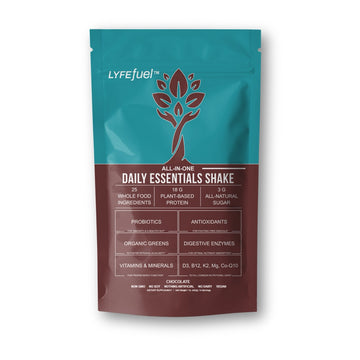
Essentials Shake
Chocolate · 24 servings
★★★★★★★★★★ 4.63 (1574)

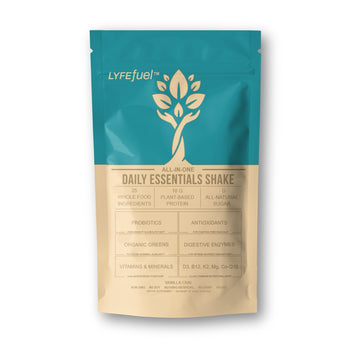
Essentials Shake
Vanilla Chai · 24 servings
★★★★★★★★★★ 4.63 (1574)

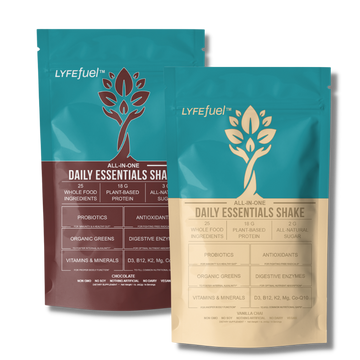
Essentials Bundle
2x Vanilla · free shaker
★★★★★★★★★★ 4.63 (1574)
Key Takeaways
- Single plant proteins have predictable gaps: pea runs low in methionine, rice runs low in lysine. Blending them closes both.
- Whey scores at the top of protein quality scales. A well-built plant blend narrows the gap, mostly by combining sources and serving enough protein.
- Leucine is the amino acid most tied to muscle protein synthesis, and plant proteins carry less of it per gram, so total protein per serving matters more.
- Bloating from shakes often comes from lactose, gums or sugar alcohols rather than the protein itself. Read the full ingredient list, not just the protein line.
- Most shakes are a base, not a full meal. Adding fat, fruit and fiber is what turns a scoop into breakfast or lunch.
What makes a plant protein "complete"
Protein is built from 20 amino acids, and nine of them are essential, meaning the body cannot make them and has to get them from food. A protein is called complete when it supplies all nine in reasonable proportion to what the body needs. Animal proteins like whey, egg and meat are complete on their own. Most single plant proteins are complete in the technical sense that they contain all nine, but one or two sit low enough to become the limiting factor.
The gaps are well known and consistent:
- Pea protein is rich in lysine and the branched-chain amino acids, but low in methionine.
- Rice protein is reasonably good in methionine, but low in lysine.
- Hemp protein is closer to balanced and brings some fat and fiber with it, but it is less protein-dense per scoop, so servings run larger or protein runs lower.
- Soy protein is the plant protein closest to animal protein on amino acid balance, though some people avoid it for allergy or preference reasons.
- Pumpkin seed, sunflower and fava show up as supporting proteins in some blends, each with its own lower amino acid.
This is why pea plus rice is the most common pairing in plant-based meal replacement shakes. Each one covers the other's weak point, the same logic as rice and beans on a plate. When you read a label, a single-source plant protein is not automatically a problem, but a deliberate blend is the stronger sign that someone thought about amino acid balance rather than just picking the cheapest isolate.
If you are on a fully vegan diet, protein balance is only one piece. Our vegan meal replacement guide covers the less obvious label checks, like where the vitamin D3 comes from.
Plant protein vs whey: digestibility, quality scores and leucine
Nutrition science uses two main scoring systems to compare protein quality, and both reward the same things: a full amino acid profile and high digestibility.
PDCAAS (Protein Digestibility Corrected Amino Acid Score) compares a protein's amino acid pattern with human requirements, then adjusts for how much of it is digested. Scores are capped at 1.0, the top of the scale. Whey, casein, egg and soy all land at or near that cap. Pea and rice individually score lower, mostly because of their limiting amino acids, and blends score higher than either source alone.
DIAAS (Digestible Indispensable Amino Acid Score) is the newer method favored by the FAO. It measures digestibility of each individual amino acid at the end of the small intestine rather than for the protein as a whole, and it is not capped, so it separates high-quality proteins more clearly. Dairy proteins generally come out on top under DIAAS too. Plant proteins usually rank lower, with blends and soy closing much of the distance.
What those scores mean in practice: gram for gram, whey delivers slightly more usable essential amino acids than a plant protein. The gap is real but modest, and it shrinks further when plant sources are blended and the serving is a bit larger.
Leucine is the number most worth understanding. Leucine is the branched-chain amino acid most closely tied to switching on muscle protein synthesis after a meal. Whey is naturally high in leucine. Pea is decent, rice is lower, and plant proteins on the whole carry less leucine per gram than dairy. Research on muscle building tends to describe a per-meal leucine amount in the low single grams as the point where synthesis gets a strong signal, which is why the dose per serving matters more with plant protein than with whey. A shake that is fine at 25g of whey may need a bit more plant protein, or a higher-leucine source like pea in the blend, to send a similar signal.
For general health, satiety and hitting a daily protein target, these differences are small. They matter most for people training hard for muscle gain, older adults trying to preserve muscle, and anyone eating very little total protein.
How much protein a plant-based shake should have
The baseline recommendation for adults is 0.8g of protein per kilogram of body weight per day, which is a minimum to avoid deficiency rather than an optimal target. Active people, older adults and anyone trying to keep muscle while eating less usually aim higher, and spreading protein across meals is generally more useful than loading it into one.
For a meal replacement shake, that translates into some practical benchmarks:
- Under 15g per serving: closer to a snack or a smoothie booster than a meal. Fine if you are adding other protein.
- 15g to 25g: the useful range for most people replacing breakfast or lunch, especially if the shake is mixed with milk or soy milk or blended with yogurt or nut butter.
- 25g and above: a better fit if you are training for strength, are a larger person, or are relying on the shake as your main protein source for that meal.
Two other numbers matter alongside protein. Scoop size tells you how concentrated the protein is: a high protein figure from a very large scoop often means more fillers or carbs riding along. Protein as a share of calories shows whether the shake is protein-led or a sweetened carb drink with some protein added. If you specifically want a high-protein option, our high-protein meal replacement guide goes deeper on that end of the range.
Digestion and tolerance: why some shakes cause bloating
Many people move to plant-based shakes because whey does not agree with them. The usual culprit is lactose, the milk sugar present in varying amounts in whey concentrate and lower amounts in whey isolate. People who are lactose intolerant can get gas, cramping and bloating from concentrate in particular. A dairy allergy is a different issue, a reaction to milk protein itself, and it rules out whey entirely. Plant proteins avoid both, which is why they are the default for dairy-free eaters. Our dairy-free meal replacement shakes guide covers that angle in more detail.
Switching to plant protein does not guarantee a calm stomach, though, because the protein is often not the problem. The usual suspects on a plant-based label:
- Sugar alcohols such as erythritol, xylitol, sorbitol and maltitol. They pull water into the gut and can ferment, and many people get gas or loose stools from them, especially in larger amounts.
- Gums and thickeners such as xanthan, guar, gellan and acacia. Used to give a thin powder a creamy texture, they are fermentable fibers that bother some sensitive stomachs.
- Large added fiber doses such as chicory root or inulin. Helpful for some people, uncomfortable for others when the dose is high and arrives all at once.
- Pea and legume proteins themselves, for a small number of people who react to legumes. Isolates are usually better tolerated than whole pea flour because most of the fermentable carbohydrates are removed.
If a shake bothers you, check those lines first before giving up on plant protein. Drinking it more slowly, using less water at first and starting with half a scoop for a week can also help your gut adjust. If you have ongoing digestive symptoms or a diagnosed condition like IBS, talk with your doctor or a dietitian about which ingredients to avoid.
What else a plant-based meal replacement should carry
Protein is only one part of a meal. A shake that claims to replace one should also cover the other things a meal provides, or tell you clearly what to add.
Fat. Dietary fat keeps you full and is needed to absorb vitamins A, D, E and K. Many shakes are very low in fat, which keeps calories down but leaves those vitamins with less to absorb alongside. Plant sources like flax, chia, coconut or MCT, or simply blending in nut butter or avocado, solve this.
Micronutrients. A meal replacement usually carries a vitamin and mineral blend. On a plant-forward diet, B12, vitamin D, iron, zinc, calcium and iodine are the ones most worth checking for by name and amount. Most products in this category use a standard vitamin premix, which is normal, but the label should still list each nutrient and its amount rather than hiding them in a proprietary blend.
Whole-food ingredients. Greens, berries, seeds and other plant ingredients add variety that an isolate and a premix alone do not. Look for each one named with an amount, so you can tell a meaningful dose from a sprinkle.
Carbohydrate and sweetener. A meal needs some carbohydrate, but a shake does not need to be sugary. Low added sugar is a good sign. Check which sweetener is used, since stevia, monk fruit and sugar alcohols each taste and tolerate differently.
Few Questionable Additives. Artificial colors, artificial sweeteners such as sucralose, and long lists of gums and fillers are what you are trying to avoid. A shorter label where every ingredient has a clear job is usually the better one.
Building a full meal from a base shake. Most shakes are designed as a base, and turning one into a real meal is simple:
1. Start with one scoop for protein.
2. Add a fat: a tablespoon of nut butter, half an avocado, or ground flax or chia.
3. Add fruit for carbohydrate and fiber: a banana, a cup of berries or a handful of frozen mango.
4. Add a handful of spinach or other greens if you want more volume.
5. Use soy milk, oat milk or another plant milk instead of water for extra calories and, with soy, extra protein.
That combination lands much closer to a real meal on calories, fat and fiber than a scoop mixed with water. If you are deciding between a powder you build on and a ready meal shake, our meal replacement protein powder guide compares the two approaches.
How LyfeFuel Essentials measures up on these criteria
Here is our own Essentials Nutrition Shake against the checklist above, including where it comes up short.
- Protein blend: Canadian yellow pea plus organic rice protein, the complementary pairing that covers pea's low methionine and rice's low lysine. 18g per 33g scoop, which sits in the useful range. The panel does not list leucine separately, so we will not claim a leucine figure.
- Tolerance: no dairy, no soy and no sugar alcohols. It does contain coconut (tree nuts) and wheatgrass (wheat) in the greens, so it is not a fit for those allergies. It also includes a 5-strain probiotic blend and a digestive enzyme blend.
- Whole-food base: each ingredient is named with an amount, including flax at 1,000mg, spirulina, a berry blend, greens, grape seed and pomegranate.
- Micronutrients: 27 vitamins and minerals listed by name and amount, with a vegan D3. Plainly, the vitamin and mineral portion is a standard synthetic premix, as is typical for the category. Our next formulation is the one rebuilding that, and we will not call the current one whole-food sourced.
- Calories and fat: 110 calories and 2g fat per scoop. That is a base, not a full meal with water. Add a fat and fruit as described above.
- Fiber: 1g per scoop, which is low. Fruit, chia or one of our bars covers that gap.
- Sweetener and sugar: sweetened with stevia leaf extract. Chocolate has 3g sugar, all added. Vanilla Chai has 3g with 1g added.
Frequently asked questions
Are plant-based meal replacement shakes as good as whey?
For most people, a well-built plant blend is close enough. Whey scores slightly higher on protein quality and leucine per gram, but blending pea and rice and serving enough total protein narrows the gap. The difference matters most for people training hard for muscle gain.
Is pea protein a complete protein?
Pea protein contains all nine essential amino acids, but it runs low in methionine. Pairing it with rice protein, which is higher in methionine but low in lysine, gives a more balanced amino acid profile.
How much protein should a plant-based meal replacement shake have?
Around 15g to 25g per serving works for most people replacing a meal. Go higher if you are training for strength or relying on the shake as your main protein source for that meal.
Why do plant-based shakes make me bloated?
The protein is often not the cause. Sugar alcohols, gums, thickeners and large doses of added fiber are common triggers. Check those ingredients first, and try a smaller serving while your gut adjusts. If symptoms continue, check with your doctor.
Can I build muscle on plant protein?
Yes. Plant protein supports muscle building when total daily protein is adequate and each meal carries enough protein to deliver a solid leucine dose. That may mean a slightly larger serving than you would use with whey.
Can a plant-based shake replace a full meal?
Only if it supplies enough calories, protein, fat and fiber, and many do not on their own. Blending a shake with nut butter, fruit and plant milk turns a base into a balanced meal.
Are plant-based meal replacement shakes good for weight loss?
A shake only helps create a calorie deficit if it has fewer calories than the meal it replaces. Being plant-based does not change that math. For a weight plan tied to a medical condition, talk with your doctor.
Related guides
- Best meal substitute shakes
- Dairy free meal replacement shakes
- Healthy meal replacement shakes
- High protein meal replacement
- Lactose free meal replacement shakes
- Low calorie meal replacement shakes
- Low sugar meal replacement
- Meal replacement protein powder
- Meal replacement shakes for breakfast
- Meal replacement shakes for seniors
- Meal replacement shakes for women
- Meal substitute powder
- Nutritional meal replacement shakes
- Protein shakes without artificial sweeteners
- Vegan meal replacement