Protein Powder for Runners: How Much, When, and What to Look For
The best protein powder for runners gives you about 15 to 25g of complete protein in a scoop that sits lightly in your stomach, so you can take it after a run, pair it with carbs, and use it to reach a daily protein target that most runners miss. Timing matters less than the total, and for running the label details that count most are fiber, fat, sweeteners and whether the powder is tested.
Shop the Essentials range
View all products →
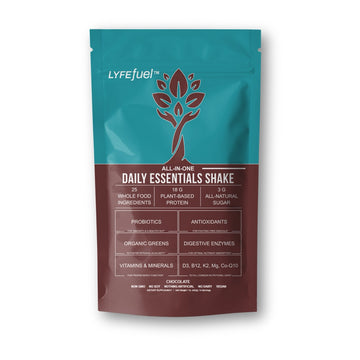
Essentials Shake
Chocolate · 24 servings
★★★★★★★★★★ 4.64 (1601)

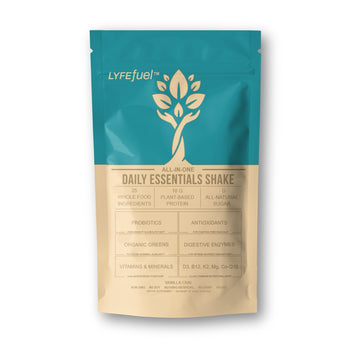
Essentials Shake
Vanilla Chai · 24 servings
★★★★★★★★★★ 4.64 (1601)

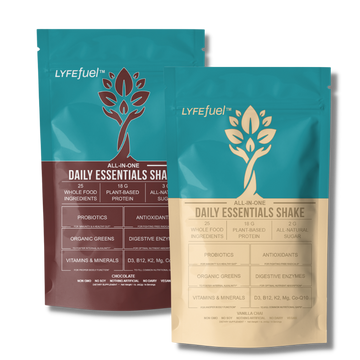
Essentials Bundle
2x Vanilla · free shaker
★★★★★★★★★★ 4.64 (1601)
Key Takeaways
- Runners need more protein than the general guideline. Sports nutrition position stands put most active people at roughly 1.2 to 2.0g per kilogram of body weight per day, spread across meals.
- Carbohydrate is still a runner's main fuel. Protein powder supports your day's total, but it does not replace carbs before or after a long run.
- After a run, aim for a protein serving of about 20 to 40g alongside carbohydrate, such as a shake blended with a banana or followed by a meal.
- Before a run, keep it light and test it in training. Low fiber, low fat and no sugar alcohols are the label traits least likely to cause stomach trouble on the move.
- If you race in a tested sport, choose a powder certified through a banned-substance program, since "third-party tested" alone does not mean that.
How much protein do runners need?
The basic adult guideline, 0.8g of protein per kilogram of body weight per day, is set to prevent deficiency in the general population. It is not designed around regular training. Sports nutrition position stands, including those from the International Society of Sports Nutrition and the American College of Sports Medicine with sports dietitians, put most active people between about 1.2 and 2.0g per kilogram per day.
For a 70kg (154lb) runner, that works out to roughly 85 to 140g of protein a day. Where you land in that range depends on how much you run, whether you also lift, and whether you are trying to lose weight while training, which tends to push needs toward the higher end.
Spread it out. Research on muscle protein synthesis suggests that several protein servings across the day work better than one large one. A practical pattern is three or four meals or snacks with a solid protein serving each.
Where powder fits. Most runners can get the majority of their protein from food. A powder earns its place when your training schedule makes meals hard to time, when you run early and cannot face food, or when you eat mostly plants and find it hard to reach the higher end of the range.
When should runners take protein powder?
Total daily intake matters more than precise timing. Within that, a few windows are worth planning around.
After a run. This is the most useful slot for most runners. A serving of roughly 20 to 40g of protein, taken within a couple of hours of finishing, gives your muscles amino acids to work with as they repair. Pair it with carbohydrate, because carbs are what refill the glycogen your run used up. Many sports dietitians suggest more carbs than protein after long or hard sessions.
Before a run. A small amount of protein before training is fine for many people, especially on early runs when the alternative is nothing. Keep it light, leave 30 to 90 minutes before you start, and lean on carbs for energy. A large, thick shake right before a hard session is a common cause of side stitches and stomach upset.
Before bed. If you train in the evening or struggle to hit your daily total, a protein serving before sleep is a simple way to add one more feeding to the day.
On rest days. Your body keeps adapting between runs, so your protein needs do not drop to zero on days off. Keep the daily total steady.
Protein, carbs and running fuel
Protein powder is easy to overestimate. It is a convenient protein source, not a running fuel.
- Carbohydrate fuels your runs. Glycogen stored in muscle and liver is the main fuel for moderate to hard running. Long runs and races drain it, and carbs are what restore it.
- Protein helps you adapt. Protein supplies the building blocks your body uses to repair and remodel muscle after training. It contributes far less to fuel during a run.
- Most protein powders are low in carbs. Many plant-based powders carry only a few grams of carbohydrate per scoop. After a long run, that is not enough on its own.
Build a recovery shake rather than relying on the powder alone. Blend a scoop with a banana, oats, frozen berries or a plant milk, or drink the shake and follow it with a carb-rich meal. If the run was easy and short, a scoop with water and your next normal meal is plenty.
What to look for in a protein powder for running
Every runner's stomach is different, but a few label traits predict whether a powder will work around training.
1. Complete protein. Whey, soy and blends such as pea plus rice provide all nine essential amino acids. Pea is low in methionine and rice is low in lysine, so the two together cover each other's gaps. Plant proteins tend to carry slightly less leucine per gram than whey, so a slightly larger plant serving closes the difference.
2. Protein per scoop. Compare grams of protein per scoop, then per serving size in grams. A 30g scoop with 18g of protein and a 45g scoop with 25g are not a like-for-like match.
3. Fiber and fat. Both slow digestion. That is useful at a normal meal but can be uncomfortable right before a run. Lower fiber and fat make a powder easier to take close to training.
4. Sweeteners. Sugar alcohols such as erythritol and xylitol cause stomach upset for some people, and running already stresses the gut. Check the ingredient list, not just the front of the bag.
5. Gums and thickeners. Xanthan and guar gum make shakes smooth. Most people tolerate them in small amounts, but if you are sensitive, try a thinner mix with more water before a run.
6. Dairy. If whey or milk-based protein upsets your stomach, a plant-based powder avoids lactose. Read the "Contains" statement for other allergens.
7. Testing. Ask whether finished batches are third-party tested and what for. Heavy metals testing is common. Banned-substance certification, through programs such as NSF Certified for Sport or Informed Sport, is a separate and stricter standard that matters if you are drug tested.
Iron, sodium and other nutrients runners watch
Some nutrients come up more often for runners than for less active people. A protein powder can contribute to them, but it is rarely the main source.
Iron. Runners, and female runners in particular, are more likely than average to run low on iron, through sweat, menstruation and other losses. Low iron can leave you tired despite training and eating well. If you suspect it, ask your doctor for a blood test before taking an iron supplement. Do not rely on a protein powder to fix it.
Sodium. You lose sodium in sweat. A protein shake is not an electrolyte drink, so on long or hot runs plan sodium separately. On the other side, if you watch sodium intake, check the panel, since flavored powders often include salt.
Calcium and vitamin D. Both matter for bone health, which is a common concern for runners. Food, sunlight and your doctor's advice come first.
Total energy. The most common nutrition problem in heavy training is simply not eating enough. A shake can help close a calorie gap, but only if you build it out with food.
If you have a medical condition, are pregnant, or take medication, talk to your doctor or a registered dietitian before changing your protein intake or adding supplements.
How LyfeFuel Essentials measures up for runners
Our Essentials Nutrition Shake is a plant-based protein shake, not a sports recovery product. Here is how it scores against the checklist above, weak points included.
- Protein: 18g per scoop from Canadian yellow pea protein plus organic rice protein, the complementary pairing covered above. That sits at the lower end of a post-run serving, so after a long run add food or a second protein source.
- Carbs: 6g per scoop in Chocolate and 5g in Vanilla Chai. That is low for refueling after a long run, so blend it with fruit or oats, or follow it with a meal.
- Stomach-friendly traits: 1g fiber and 2g fat per scoop, no sugar alcohols and no dairy ingredients. It contains xanthan and guar gum, plus a digestive enzyme blend that includes lactase.
- Sweetener and sugar: stevia leaf extract, with 3g sugar per scoop in Chocolate, all of it added from organic coconut sugar. Vanilla Chai has 1g added sugar.
- Sodium: 290mg per scoop in Chocolate and 215mg in Vanilla Chai. That is useful to know either way, but it is not a substitute for electrolytes on a long run.
- Iron: only 1mg per scoop (6% Daily Value), so it does little for iron intake.
- Vitamins and minerals: 27, listed by name and amount. The premix is a standard synthetic one, typical for the category, and our next formulation is the one rebuilding it.
- Testing: every batch is third-party tested by Eurofins, including for heavy metals. It is not certified through a banned-substance program, so if you are drug tested in competition, choose a product that is.
- Allergens: no dairy and no soy ingredients. Contains coconut (tree nuts) and wheatgrass (wheat).
Frequently asked questions
Should runners use protein powder?
Runners do not need protein powder, but many find it a convenient way to reach a higher daily protein target, especially after early runs or on busy days. Most active people need roughly 1.2 to 2.0g of protein per kilogram of body weight per day, and a powder can fill the gap that meals leave.
Is it better to take protein before or after running?
For most runners, after. A serving of about 20 to 40g of protein with carbohydrate within a couple of hours of finishing is a practical default. A small amount before an easy run is fine if it sits well, but carbs matter more before training.
How much protein should a runner have after a run?
About 20 to 40g of protein is a common recommendation for a post-exercise serving, together with carbohydrate to refill glycogen. Larger runners and harder sessions sit toward the top of that range.
Is plant-based protein good for runners?
Yes, as long as it provides a complete amino acid profile. A pea and rice blend covers all nine essential amino acids. Plant proteins carry slightly less leucine per gram than whey, so a slightly larger serving helps close that difference.
Can protein powder upset your stomach during runs?
It can, especially if the shake is large, high in fiber or fat, or sweetened with sugar alcohols. Leave 30 to 90 minutes before running, keep the serving light, and test anything new in training rather than on race day.
Can a protein shake replace a meal for runners?
On its own, usually not. Most scoops are low in calories and carbohydrate compared with what training demands. Blend it with fruit, oats and a fat such as nut butter, or eat it with food, if it stands in for a meal.
Do runners need a protein powder certified for sport?
Only if you are drug tested in competition. In that case, choose a product certified through a banned-substance program such as NSF Certified for Sport or Informed Sport. General third-party testing for purity or heavy metals is useful but is not the same thing.
Related guides
- Best meal substitute shakes
- Chocolate plant based protein powder
- Dairy free protein powder
- Healthy meal replacement shakes
- High protein meal replacement
- Low calorie meal replacement shakes
- Low carb protein powder
- Low sugar meal replacement
- Meal replacement protein powder
- Meal replacement shakes for breakfast
- Meal replacement shakes for seniors
- Meal replacement shakes for women
- Meal substitute powder
- Nutritional meal replacement shakes
- Plant based meal replacement shakes
- Plant based protein shakes
- Protein powder for coffee
- Protein powder for men
- Protein powder with probiotics
- Protein shakes without artificial sweeteners
- Vegan meal replacement