Meal Replacement Shakes for Breakfast: How to Build One That Lasts Until Lunch
A meal replacement shake can be a good breakfast if it carries enough protein, some slow carbohydrate from fruit or oats, and a source of fat, which is what keeps you full through the morning instead of hungry by 10am. Powder mixed with water alone is usually a snack, so the add-ins are what turn a breakfast shake into an actual meal.
Shop the Essentials range
View all products →
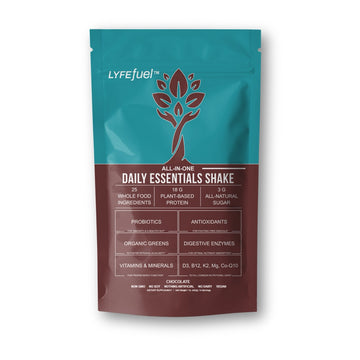
Essentials Shake
Chocolate · 24 servings
★★★★★★★★★★ 4.63 (1574)

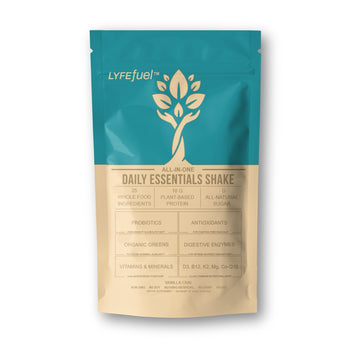
Essentials Shake
Vanilla Chai · 24 servings
★★★★★★★★★★ 4.63 (1574)

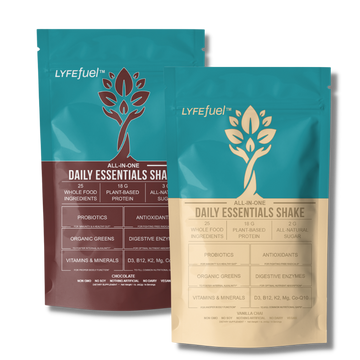
Essentials Bundle
2x Vanilla · free shaker
★★★★★★★★★★ 4.63 (1574)
Key Takeaways
- A breakfast shake needs three things: a solid protein dose, some carbohydrate with fiber, and fat. Most powders supply only the first.
- Powder plus water is often under 200 calories, which is why so many people are starving by mid-morning.
- A banana, a spoon of nut butter, oats or chia, and milk instead of water are the simplest upgrades.
- Fruit-heavy smoothies with juice can pack a lot of sugar and little protein, so they tend to feel good for an hour and then fade.
- If shakes upset your stomach in the morning, sip slowly, go easier on cold and volume, and introduce fiber add-ins gradually.
Is a meal replacement shake a good breakfast?
For many people, yes. Breakfast is the meal most often skipped or replaced with coffee and a pastry, and a well-built shake beats both of those on protein and overall nutrition. It takes two minutes, travels in a shaker, and is easy to drink on a commute or at a desk.
The catch is the word "well-built." A shake is only as good as what goes into the blender. The scoop itself is usually designed as a base: protein, a vitamin and mineral premix, and a modest number of calories. Mixed with water, it gives you protein but not much else, and that gap is what decides whether you feel fed or feel like you skipped breakfast.
A shake makes the most sense as breakfast when:
- You regularly skip breakfast or grab something sugary because there is no time.
- You want a predictable amount of protein early in the day.
- You train in the morning and want something light before or easy after.
- You find a big plate of food hard to face first thing, but liquid goes down fine.
It makes less sense if you genuinely enjoy sitting down to eggs, oats or a full plate and have the time to make it. A shake is a convenience tool, not a nutritional upgrade over a balanced whole-food breakfast. If you are pregnant, managing a medical condition, or taking medication that affects appetite or digestion, check with your doctor before replacing meals.
What a breakfast shake actually needs
Think of a breakfast shake the same way you would think of a breakfast plate: protein, carbohydrate, fat, and ideally some fiber and color. Each part does a different job.
Protein. Protein is the most filling of the three macronutrients, and it is the part most people under-eat at breakfast. A common target for a meal is somewhere in the range of 20 to 30 grams, which is roughly what a typical scoop of protein powder plus a dairy or soy milk lands at. One scoop mixed with water often sits at the lower end of that.
Carbohydrate with fiber. Carbs give you usable energy for the morning. The type matters: carbs that come packaged with fiber, like whole fruit, oats, or chia, digest more slowly and tend to hold you longer than juice or added sugar. Fiber also adds bulk, which contributes to feeling full.
Fat. Fat slows digestion, which helps a liquid meal stay with you. It is also needed to absorb the fat-soluble vitamins A, D, E and K, so a low-fat shake with water is not the best vehicle for a formula fortified with those vitamins. Nut butter, seeds, avocado, full-fat milk or coconut milk all work.
Calories. This is where most breakfast shakes fall short. A real breakfast for most adults is meaningfully more than a single scoop of powder provides. The exact number depends on your size, activity and goals, but if your shake is under 200 calories and you are hungry an hour later, the shake is not the problem, the portion is.
Liquid. Water keeps calories low but adds nothing. Dairy milk and soy milk add protein. Oat milk adds carbohydrate and a creamy texture. Unsweetened almond milk is low in calories and protein, so it behaves closer to water. Pick based on what the rest of the shake is missing.
Four breakfast shake builds that actually hold you
Each of these starts with one scoop of a meal replacement or protein powder. Amounts are approximate and meant as a starting point, not a prescription.
1. The banana nut butter shake (the all-rounder).
One scoop of powder, one medium banana, one tablespoon of peanut or almond butter, and a cup of milk. A medium banana is roughly 100 calories and a tablespoon of nut butter is roughly 90 to 100, so this build turns a light scoop into something that feels like breakfast. It covers protein, carbs with some fiber, and fat in one glass. Chocolate or vanilla powders both work here.
2. The oats and berries shake (the slow burner).
One scoop of powder, a small handful of rolled oats, a handful of frozen berries, a spoon of ground flax or chia, and milk or water. Oats blend smoothly if you give them an extra few seconds, or soak them in the liquid for ten minutes first. This is the most fiber-forward of the four, which makes it a good pick if you tend to get hungry early. Frozen berries also chill the shake without diluting it with ice.
3. The coffee shake (the commuter).
One scoop of chocolate or vanilla powder, a shot of espresso or half a cup of cooled coffee, a frozen banana, a spoon of nut butter, and milk. This replaces the coffee plus pastry habit with something that has real protein. Use cooled coffee, since hot liquid and protein powder can clump, and remember the caffeine counts toward your daily total.
4. The green shake (the light one).
One scoop of powder, a handful of spinach, half a frozen banana or a few chunks of frozen mango, a quarter of an avocado, and coconut water or milk. Spinach is close to tasteless once blended with fruit. Avocado makes it creamy and adds fat, which keeps a lighter shake from fading fast.
A few swaps work across all four builds: Greek yogurt adds protein and thickness if you eat dairy, a few dates add sweetness without added sugar, and a pinch of cinnamon or salt makes a mild powder taste more finished.
Timing, workouts and coffee
Before or after a morning workout. If you train early, a smaller shake before (for example half the build, or powder plus a banana) is easier on the stomach than a full meal. After training, a full breakfast build with protein and carbs is a practical recovery meal. There is no need to drink it within a tight window; within a reasonable time after you finish is fine for most people.
Shake and coffee. Many people drink coffee first and eat later, which is fine, but coffee on an empty stomach bothers some people and suppresses appetite for others, leading to an under-eaten morning and a big crash before lunch. Either blend the coffee into the shake or drink the shake alongside your first cup.
Sip, do not chug. A liquid meal gets drunk in two minutes, while a plate takes fifteen. Fullness signals take time, so drinking a shake over ten to fifteen minutes tends to feel more satisfying than downing it at the counter.
If you are still hungry at 10am. Add calories before adding a second shake. Usually the fix is more fat (another spoon of nut butter) or more fiber (oats, chia), not more powder.
Digestion tips for a sensitive morning stomach
Some people feel bloated or queasy after a morning shake. A few things commonly help:
- Slow down. Drinking fast pulls in air along with the liquid, which is a common cause of bloating.
- Start with less volume. A huge shake on an empty stomach is a lot to handle. Use less liquid and a thicker texture, or split it into two smaller servings an hour apart.
- Go easier on ice. Very cold drinks bother some stomachs first thing. Frozen fruit at a moderate amount is gentler than a blender full of ice.
- Add fiber gradually. Oats, chia, flax and greens are good additions, but going from almost no fiber to a lot overnight can cause gas. Add one at a time.
- Watch the base liquid. If dairy milk bothers you, try a lactose-free, soy, oat or almond option.
- Check the sweetener. Some people are sensitive to sugar alcohols or particular sweeteners. If a specific powder consistently upsets you, compare the sweetener line on its label with one that agrees with you.
If symptoms are persistent or severe, that is a question for your doctor rather than a recipe tweak.
Common breakfast shake mistakes, and how to prep ahead
Mistake 1: powder and water, nothing else. This is the most common reason people say shakes "do not work" for breakfast. It is usually a protein snack, not a meal. Add fruit, fat and milk.
Mistake 2: the sugar bomb smoothie. Juice as the liquid, several kinds of fruit, honey or syrup, and little or no protein. It tastes great and can leave you hungry soon after. Use whole fruit instead of juice, cap fruit at a serving or two, and make sure protein is in there.
Mistake 3: treating more powder as the fix. Doubling the scoop adds protein but not the carbs and fat that make breakfast feel complete. Balance beats volume.
Mistake 4: ignoring the label. Calories, protein, sugar and added sugar per serving tell you what you are building on. A low-calorie base needs more add-ins. A higher-calorie powder may need fewer.
Prep tips that make it a two-minute habit:
- Build freezer packs: portion banana, berries, spinach and oats into bags so the morning job is dump, add liquid, blend.
- Keep nut butter and seeds next to the blender.
- Blend at night and refrigerate in a sealed jar if mornings are truly rushed. Shake well before drinking, since oats and chia thicken overnight.
- Keep a shaker and pre-measured powder at work or in your bag for days with no blender.
How LyfeFuel Essentials measures up as a breakfast base
Measured against the breakfast checklist above, here is how our Essentials Nutrition Shake does, including where it comes up short on its own.
- Protein: 18g per scoop from Canadian yellow pea and organic rice protein, a complementary pairing. Mixed with soy or dairy milk, that lands near the 20 to 30g meal range.
- Calories and fat: 110 calories and 2g fat per scoop. That is a base, not a breakfast. With water alone it will not hold you to lunch. The banana and nut butter build above, made with milk, turns it into a real breakfast.
- Carbs and sugar: 5 to 6g carbs and 3g sugar. In Chocolate all 3g are added; in Vanilla Chai 1g is added. Low, but not zero added sugar.
- Fiber: 1g per scoop. Low. Fiber has to come from your add-ins, such as oats, chia, berries or a banana.
- Sweetener: stevia leaf extract (Rebaudioside A) in both flavors, no sugar alcohols. If stevia does not agree with you, this is not your shake.
- Whole food base: every blend named with an amount on the panel, including 1,000mg flax, spirulina, a greens blend, berries, a 5-strain probiotic and a digestive enzyme blend.
- Vitamins and minerals: 27, listed by name and amount. The premix is a standard synthetic one, normal for the category, and it is what our next formulation is rebuilding. Mixing with milk or nut butter also gives the fat-soluble vitamins the fat they need.
- Allergens: no dairy or soy; contains tree nuts (coconut) and wheat (from wheatgrass).
Frequently asked questions
Is it OK to have a meal replacement shake for breakfast every day?
For most healthy adults, yes, as long as the shake is built into a balanced meal and the rest of your day includes varied whole foods. A shake is a convenient breakfast, not a replacement for eating real vegetables, fruit and protein across the week. If you have a medical condition or take medication, ask your doctor first.
How much protein should a breakfast shake have?
A common target for a meal is roughly 20 to 30 grams of protein. Many single scoops land a little under that with water, so mixing with dairy or soy milk, or adding Greek yogurt or nut butter, is an easy way to close the gap.
Why am I hungry an hour after my breakfast shake?
Usually because the shake is too small. Powder mixed with water is often under 200 calories with little fat or fiber. Add a banana or oats for carbs and fiber, a spoon of nut butter for fat, and use milk instead of water.
Should I mix my breakfast shake with water or milk?
Water keeps calories low but adds nothing else. Dairy or soy milk adds protein, oat milk adds carbs and creaminess, and unsweetened almond milk is light in both calories and protein. For a shake that has to last until lunch, milk is usually the better choice.
Can I put coffee in a meal replacement shake?
Yes. Use cooled coffee or a shot of espresso to avoid clumping, and blend it with a frozen banana and nut butter for a breakfast that replaces the coffee and pastry habit. Count the caffeine toward your daily total.
Will a breakfast shake help me lose weight?
A shake only creates a calorie deficit if it contains fewer calories than the breakfast it replaces and the rest of your day stays the same. It is not a weight-loss product on its own. For a personal weight plan, talk with your doctor or a registered dietitian.
Why do protein shakes make my stomach hurt in the morning?
Common reasons include drinking too fast, a very cold or very large shake on an empty stomach, dairy in the base liquid, a sudden jump in fiber, or sensitivity to a particular sweetener. Slowing down and adjusting one variable at a time usually helps. Persistent symptoms are worth raising with a doctor.
Related guides
- Best meal substitute shakes
- Dairy free meal replacement shakes
- Healthy meal replacement shakes
- High protein meal replacement
- Lactose free meal replacement shakes
- Low calorie meal replacement shakes
- Low sugar meal replacement
- Meal replacement protein powder
- Meal replacement shakes for seniors
- Meal replacement shakes for women
- Meal substitute powder
- Nutritional meal replacement shakes
- Plant based meal replacement shakes
- Protein shakes without artificial sweeteners
- Vegan meal replacement