Protein Powder for Women: What to Check at Every Age
The best protein powder for a woman is one that helps her reach a daily protein target set by her body weight, age and activity, with enough protein per scoop to count as a real serving and a short ingredient list her stomach agrees with. Most "for women" formulas differ in packaging more than in protein, so the scoop size, the protein source and a few lines on the panel tell you more than the label on the front.
Shop the Essentials range
View all products →
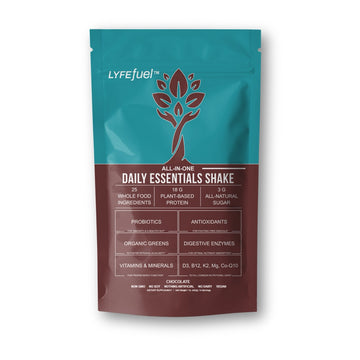
Essentials Shake
Chocolate · 24 servings
★★★★★★★★★★ 4.64 (1603)

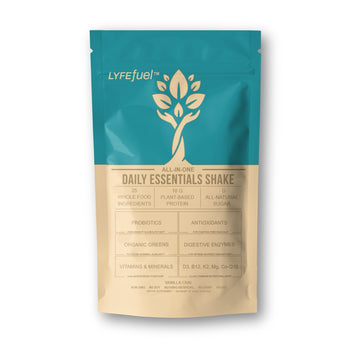
Essentials Shake
Vanilla Chai · 24 servings
★★★★★★★★★★ 4.64 (1603)

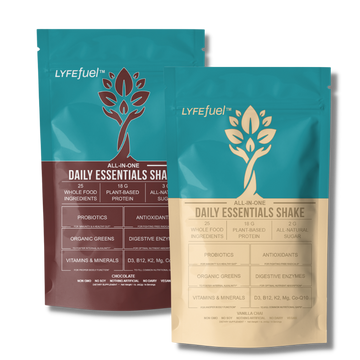
Essentials Bundle
2x Vanilla · free shaker
★★★★★★★★★★ 4.64 (1603)
Key Takeaways
- Protein needs depend on body weight, age and activity, not gender. The baseline is 0.8g per kilogram of body weight a day, and active women are commonly advised to aim for 1.4g to 2.0g per kilogram.
- Many women eat most of their protein at dinner and very little at breakfast. A scoop is most useful at the meal that comes up short.
- Some "for her" versions cut protein per scoop. Compare grams of protein per serving and per 100 calories before anything else.
- After about 50, protein and strength training work together to help maintain muscle, and calcium and vitamin D needs rise while iron needs drop.
- If you are pregnant, breastfeeding, taking medication or managing a health condition, talk with your doctor before adding a protein powder.
Do women need a "women's" protein powder?
Usually not. Protein does the same job in every body. It supplies the amino acids your muscles, skin, hair, enzymes and immune system use to build and repair themselves, and a woman and a man of the same size and activity level use it the same way.
What differs is the amount, because women are on average smaller and carry less lean mass, and a short list of vitamins and minerals:
- Iron. Women aged 19 to 50 need 18mg a day, more than double the 8mg men need, because of monthly losses. After menopause the target drops to 8mg.
- Folate. US public health guidance advises anyone who could become pregnant to get 400 micrograms of folic acid a day.
- Calcium and vitamin D. The calcium target rises from 1,000mg to 1,200mg a day for women over 50, and vitamin D works alongside it.
None of these require a special protein powder. They are lines to check on a panel, and food and your doctor's advice come first for each of them.
Products sold "for women" often differ in other ways: smaller scoops, fewer calories, added collagen, biotin or herbal blends marketed for hormones, skin or "slimming." Some of those are reasonable on their own. They are a separate decision from choosing a protein powder, and folding them in makes it harder to know what you are taking and how much.
How much protein do women actually need?
The Recommended Dietary Allowance is 0.8g of protein per kilogram of body weight a day. For a 140 lb (64 kg) woman, that is about 51g. The RDA is a floor to avoid deficiency, not a target for someone who trains or is getting older.
Sports nutrition guidance commonly recommends 1.4g to 2.0g per kilogram for people who exercise regularly. For the same 140 lb woman, that is roughly 90g to 128g a day.
A simple way to use those numbers:
1. Set your target. Multiply your weight in kilograms by 0.8 for a baseline, by 1.0 to 1.2 if you are over 65, or by 1.4 to 2.0 if you train most days.
2. Count what food already gives you. Breakfast and lunch are where most women come up short.
3. Fill the gap. A protein shake is a tool for the meal or snack that falls behind, not a replacement for eating enough food.
If you have kidney disease, or your doctor has asked you to limit protein, talk with them before raising your intake.
Protein powder for women over 40 and over 50
Muscle mass tends to decline gradually with age, and the body becomes less efficient at using protein to maintain it. Expert groups on healthy aging suggest older adults eat toward 1.0g to 1.2g of protein per kilogram a day, and more if they are active, with protein spread across meals rather than packed into dinner.
Protein alone does not maintain muscle. Strength training is the signal; protein supplies the material. A shake after a workout or at breakfast is a practical way to put the two together.
A few other things shift around and after menopause:
- Iron needs drop to the same 8mg as men. A powder heavy in iron, stacked with a multivitamin, may give you more than you need. Ask your doctor if you are unsure.
- Calcium needs rise to 1,200mg a day after 50. Most powders supply only a small share, so food and your doctor's advice come first.
- Vitamin D matters alongside calcium. If your powder carries a lot of it and you already take a vitamin D supplement, add the two together.
- Appetite often shrinks while protein needs stay the same or rise. A shake can get protein into a day when full meals feel like too much.
We will not tell you a protein powder changes menopause symptoms, hormones or metabolism, because no label can promise that. If symptoms are affecting your daily life, talk with your doctor.
Whey, plant or a blend: choosing a protein source
The protein source sets the taste, texture, digestion and amino acid profile.
Whey comes from milk. It digests quickly and is high in leucine. Whey concentrate contains some lactose, which can cause bloating or gas in people who do not digest lactose well. Whey isolate has most of it removed.
Collagen is popular in women's products, but it is an incomplete protein: it lacks the amino acid tryptophan and is low in leucine. It is not a like-for-like swap for whey or a pea and rice blend when the goal is muscle.
Pea protein is plant-based, free of dairy and fairly rich in leucine for a plant protein, but low in methionine. Rice protein is low in lysine and higher in methionine, which is why pea and rice are often blended: together they cover each other's weak spots.
Soy protein is a complete plant protein that some people avoid for allergy or preference reasons. Hemp and seed proteins keep more fiber and fat, so they deliver less protein per scoop.
If dairy sits well with you, whey is a proven choice. If you are lactose intolerant, eat plant-based or simply feel better without milk proteins, a pea and rice blend is a strong option. Check grams per serving rather than assuming any source is enough.
What to check on the label before you buy
1. Protein per serving, and the serving size. Make sure the number matches one scoop, not two. Then divide calories by grams of protein to see how much of the scoop is protein.
2. The "for her" trade. Put a women's version next to the standard one. If it has less protein and the same price per serving, you are paying for the packaging.
3. Added sugar and sweeteners. A few grams of sugar helps taste. Ten or more turns a shake into a dessert. Sucralose, stevia, monk fruit and sugar alcohols all taste different, and sugar alcohols can upset some stomachs in larger amounts.
4. Proprietary blends. A blend lists a total weight without the amount of each ingredient. Prefer labels that list every protein source and add-in by amount.
5. Herbal add-ons. Ingredients marketed for hormones, mood, sleep or "slimming" are separate products folded into a protein powder. Know the dose or skip them, and ask your doctor first if you take medication.
6. Iron, folate, calcium and vitamin D. Check each by amount, not just by name, and add them to any multivitamin or prenatal you already take.
7. Allergens. Dairy, soy, tree nuts and wheat are common. The "Contains" statement is the quickest check.
8. Testing. The FDA does not approve protein powders before sale. If independent testing matters to you, look for a named third-party certification and confirm it on the certifier's website.
Weight goals, pregnancy and when to ask a doctor
Weight. Protein is the most filling of the macronutrients, which is why it shows up in so many weight goals. A protein shake does not cause weight loss on its own. It only helps create a deficit if it has fewer calories than what it replaced, and that depends on how you make it and what you eat the rest of the day. A dietitian or doctor can help you set targets that fit your body.
"Will protein make me bulky?" No. Building significant muscle takes years of heavy, progressive training and a calorie surplus. Normal protein intake with regular training makes muscle stronger and firmer, not big.
Pregnancy and breastfeeding. Talk with your doctor or midwife before using any protein powder. Needs for protein, iron, folate, iodine and choline change in these periods, prenatal vitamins already supply many of the same nutrients, and some herbal ingredients have not been studied in pregnancy.
Conditions and medication. If you have kidney disease, a thyroid condition, PCOS, diabetes or another diagnosed condition, or take regular medication, bring the label to your doctor before you start.
How LyfeFuel Essentials measures up on these criteria
Our Essentials Nutrition Shake is a plant-based protein shake built for everyday use, the same formula for everyone. Here is how it scores against the checklist above, weak points included.
- Protein per scoop: 18g in 110 calories, so most of each scoop is protein. That covers a snack or part of a meal. Women who want 25g or more at a meal can use two scoops (36g protein, 220 calories) or pair one with other protein foods.
- Protein source: Canadian yellow pea plus organic rice protein, the complementary pairing described above. No dairy and no soy ingredients, and no collagen.
- Sugar and sweetener: 3g sugar per scoop. In Chocolate all 3g are added, from organic coconut sugar. Vanilla Chai has 1g added. Sweetened with stevia leaf extract, no sucralose, no sugar alcohols.
- Folate: 340mcg DFE per scoop, from 200mcg of folic acid. That is half the 400mcg folic acid guidance for women who could become pregnant, so it does not replace a prenatal.
- Calcium, vitamin D and iron: 100mg calcium (8% DV), which is low, and 30mcg of vegan vitamin D3 (150% DV), which is high, so count it if you already take vitamin D. It is not a meaningful source of iron.
- Other minerals: 200mg magnesium (48% DV) and 7.5mg zinc (68% DV). The vitamin and mineral premix is a standard synthetic one, typical for the category, and our next formulation is the one rebuilding it.
- Fiber and fat: only 1g fiber and 2g fat, so mixed with water it is a base, not a meal. Add nut butter, chia or oats and some fruit.
- Add-ons and texture agents: no herbs for hormones or weight. It includes flax, spirulina, a berry blend, five probiotic strains and a digestive enzyme blend, each listed with its amount, plus xanthan and guar gum.
- Allergens: contains coconut (tree nuts) and wheatgrass (wheat).
Frequently asked questions
What is the best protein powder for women?
The best one helps you reach your daily protein target, delivers enough protein per scoop to count as a serving, uses a protein source you digest well, and lists every ingredient with its amount. A "for women" label does not make a powder better, so compare grams of protein per serving and read the ingredient list.
How much protein powder should a woman have a day?
That depends on how much protein you already get from food. Start with your daily target, 0.8g per kilogram of body weight as a baseline or roughly 1.4g to 2.0g per kilogram if you train regularly, then use one or two servings of powder to fill the gap. Food should still supply most of your protein.
Is protein powder good for women over 50?
For most healthy women, yes. Older adults are often advised to eat toward 1.0g to 1.2g of protein per kilogram a day, spread across meals, and to pair it with strength training. Talk with your doctor first if you have kidney disease, take medication, or have been told to limit protein.
Will protein powder make women bulky?
No. Significant muscle growth takes years of heavy training and a calorie surplus. Enough protein with regular exercise helps you build and keep strong, lean muscle without adding bulk.
Is whey or plant protein better for women?
Both work. Whey digests quickly and is high in leucine, but whey concentrate contains lactose that some women do not tolerate. A pea and rice blend gives a complete amino acid profile without dairy. Total protein per day matters more than the source for most people.
Can protein powder help women lose weight?
Protein is filling, which can make a calorie target easier to stick to, but a shake does not cause weight loss on its own. It only helps if it has fewer calories than the food it replaced. A dietitian or doctor can help you set realistic targets.
Can I drink protein shakes while pregnant or breastfeeding?
Talk with your doctor or midwife first. Nutrient needs change in pregnancy and breastfeeding, and a shake combined with a prenatal vitamin can push some nutrients higher than intended.
Related guides
- Best meal substitute shakes
- Chocolate plant based protein powder
- Dairy free protein powder
- Healthy meal replacement shakes
- High protein meal replacement
- Low calorie meal replacement shakes
- Low carb protein powder
- Low sugar meal replacement
- Meal replacement protein powder
- Meal replacement shakes for breakfast
- Meal replacement shakes for seniors
- Meal substitute powder
- Nutritional meal replacement shakes
- Plant based meal replacement shakes
- Plant based protein shakes
- Protein powder for coffee
- Protein powder for men
- Protein powder for runners
- Protein powder with probiotics
- Protein shakes without artificial sweeteners
- Vegan meal replacement