Meal Replacement Shakes for Seniors: What to Look For
The best meal replacement shake for a senior delivers meaningful protein, keeps added sugar low, covers the nutrients older bodies absorb or make less of, such as B12, vitamin D and calcium, and supplies the right number of calories for that person, which may be more or less than the label suggests. Because older adults are more likely to take medications or manage a health condition, the right shake is also one a doctor has signed off on.
Shop the Essentials range
View all products →
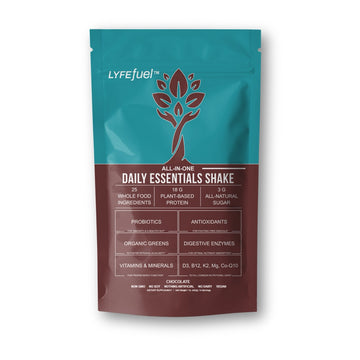
Essentials Shake
Chocolate · 24 servings
★★★★★★★★★★ 4.63 (1574)

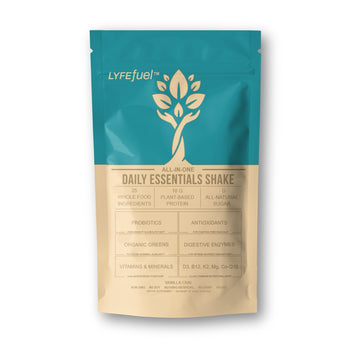
Essentials Shake
Vanilla Chai · 24 servings
★★★★★★★★★★ 4.63 (1574)

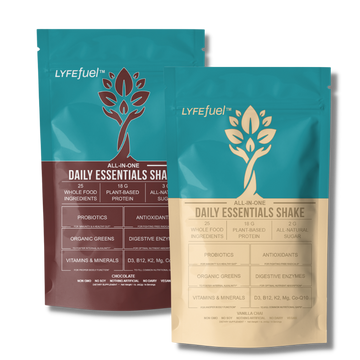
Essentials Bundle
2x Vanilla · free shaker
★★★★★★★★★★ 4.63 (1574)
Key Takeaways
- Muscle loss with age is well established, and some expert groups suggest older adults may benefit from more protein than the standard 0.8 g/kg recommendation.
- Many classic nutrition drinks lean heavily on sugar for calories. Check the added sugar line, not just the calorie count.
- B12 absorption tends to decline with age, and the recommendations for vitamin D and calcium rise in later life, so those three lines on the label matter more.
- Calories should match the goal. An underweight parent needs a calorie-dense shake; a low-calorie shake has to be built up with milk or add-ins.
- Check with a doctor first, especially for kidney disease, swallowing problems, unexplained weight loss, or blood thinners like warfarin, which interact with vitamin K.
Why nutrition needs change after 65
Older adults usually need fewer total calories than they did at 30, since activity and muscle mass tend to drop. The catch is that most nutrient needs do not fall at the same rate, and a few go up. That squeezes the same or greater nutrition into fewer calories, which is exactly the gap a well-built shake can help fill.
Three shifts drive most of the problem:
Appetite declines. Many older adults simply feel less hungry, fill up faster, and find that taste and smell are less sharp than they used to be. Meals get smaller or get skipped, and the foods that drop out first are often the protein-rich ones that take effort to cook and chew.
Muscle loss accelerates. The gradual loss of muscle mass and strength with aging, called sarcopenia, is well documented. It affects balance, the ability to get up from a chair, and independence in daily life. Protein intake and regular resistance activity are the two levers most consistently linked to holding onto muscle.
Absorption changes. Stomach acid production often falls with age, and some common medications reduce it further. That affects how well certain nutrients, B12 in particular, are pulled out of food.
Chewing gets harder. Dentures, missing teeth or a sore mouth can make meat, raw vegetables and nuts uncomfortable to eat. Softer, lower-protein foods like toast, soup and tea take their place, and protein intake quietly drops. A drinkable source of protein sidesteps the chewing problem entirely, which is one of the main reasons shakes help in this age group.
Living alone, limited mobility, dental problems, and the effort of shopping and cooking all add to the risk. For adult children watching a parent's eating habits slide, a shake is often the most practical first step, provided it is chosen for the person and not just grabbed off the pharmacy shelf.
Protein: how much older adults need and what to look for
The Recommended Dietary Allowance for protein is 0.8 grams per kilogram of body weight per day for adults, and it does not change with age on paper. Some expert groups that focus on aging have suggested older adults may benefit from more, roughly 1.0 to 1.2 g/kg for healthy older adults, and sometimes higher for those who are ill or recovering. Treat that as a conversation to have with a doctor, not a target to hit on your own, particularly if kidney function is a concern.
How the protein is spread across the day also matters. Many older adults eat a small, low-protein breakfast and lunch and save most of their protein for dinner. A shake at breakfast or as an afternoon snack is an easy way to even that out.
When comparing shakes, look at:
- Grams of protein per serving. Many standard nutrition drinks sit in the single digits or low teens. A shake built around protein typically lands in the mid to high teens or above.
- Protein quality. Dairy proteins like whey and casein are complete on their own. Plant blends work when they pair sources deliberately, for example pea and rice, since pea is low in methionine and rice is low in lysine, and each covers the other.
- Tolerance. Lactose intolerance becomes more common with age for many people. A dairy-free protein can be easier on digestion, while a milk-based drink may cause bloating or discomfort.
Sugar, calories and the "nutrition drink" problem
The classic ready-to-drink nutrition shakes found in pharmacies and hospital settings were designed mainly to deliver calories to people who are not eating enough. That is a legitimate goal, but many of them get a large share of those calories from sugar or corn syrup, and the protein is often modest by comparison.
For a senior who is underweight and struggling to eat, calorie density can be the priority, and a doctor or dietitian may recommend exactly that kind of drink. For a senior who is maintaining weight and mostly needs more protein and micronutrients, a high-sugar drink every day adds sugar without solving the real problem.
A practical way to read the label:
- Added sugars line. Look at grams of added sugar per serving, and compare it to the protein. A shake with more sugar than protein is primarily a calorie drink.
- Calories versus the goal. If the aim is to prevent further weight loss, a shake should add calories on top of meals, not replace a meal with fewer calories. If weight is stable, a moderate-calorie shake replacing a skipped meal is reasonable.
- Sweeteners. Low-sugar shakes usually use stevia, monk fruit or sugar alcohols. Sugar alcohols can cause gas or loose stools in sensitive people, so they are worth noticing.
A low-calorie shake can be built up easily. Blending it with whole milk or a fortified soy milk instead of water adds both calories and protein, a cup of whole milk adds roughly 150 calories and about 8 grams of protein. A spoon of nut butter, half a banana, or a scoop of full-fat yogurt adds more. This approach lets one shake powder work for a parent who needs to gain and a parent who does not.
Taste and routine matter as much as the label. An older adult who dislikes a shake will quietly stop drinking it. A few practical habits help:
- Start with small servings. Half a shake mid-morning and half mid-afternoon is easier for a small appetite than one large glass.
- Serve it cold and blended. Blending with ice or frozen fruit improves texture and masks the slight grittiness some powders have.
- Tie it to an existing habit. Pairing the shake with morning medications, a favorite TV program or an afternoon walk makes it easier to remember.
- Rotate flavors. Flavor fatigue is real. Having two flavors, or adding cinnamon, cocoa or coffee, keeps it from becoming a chore.
Unintentional weight loss is a medical signal, not a nutrition shopping problem. If an older adult is losing weight without trying, see a doctor before relying on any shake. It can point to an underlying condition that needs evaluation.
Nutrients older adults are often low in
Beyond protein, a few micronutrients deserve a closer look on any shake meant for a senior.
Vitamin B12. Because stomach acid tends to decline with age, B12 from food is absorbed less efficiently, and medications such as acid reducers and metformin can lower it further. The synthetic B12 used in fortified foods and supplements does not depend on stomach acid in the same way, which is why official guidance has long suggested older adults get much of their B12 from fortified foods or supplements. Low B12 can show up as fatigue, numbness or memory changes, so a doctor can check levels with a simple blood test.
Vitamin D. The skin makes less vitamin D from sunlight with age, and many older adults spend more time indoors. The official recommended intake rises after age 70. Vitamin D is fat-soluble, so it absorbs better when the shake contains some fat or is mixed with milk.
Calcium. Recommended calcium intake goes up for women after 50 and for men after 70, reflecting bone loss with age. A shake can contribute, but most people still need calcium from food such as dairy, fortified plant milks, leafy greens and canned fish with bones.
Hydration. The sense of thirst weakens with age, and some older adults drink less to avoid trips to the bathroom. A shake counts toward fluid intake, which is a small but real benefit, though it does not replace water across the day.
Fiber. Constipation is common in later life. Most shakes are low in fiber, so fruit blended in, oats, or a high-fiber snack alongside helps.
One caution: if a parent already takes a multivitamin or individual supplements, adding a fortified shake can double up on some nutrients. Bring the shake label to the next doctor or pharmacist visit and review everything together.
Safety checks before giving a shake to an older adult
This is the section adult children most often skip, and it is the one that matters most. Ask a doctor, dietitian or pharmacist before starting a daily shake if any of the following apply.
Blood thinners, especially warfarin. Vitamin K affects how warfarin works, and a sudden change in daily vitamin K intake can change how well the medication controls clotting. Many fortified shakes contain vitamin K. Anyone on warfarin should not add a vitamin K containing shake without their doctor's approval, and should keep intake consistent once approved.
Kidney disease. Higher protein intake, along with potassium and phosphorus in some formulas, may not be appropriate for people with reduced kidney function. Protein targets for kidney disease are set individually by a clinician.
Swallowing difficulties. Thin liquids can be a choking or aspiration risk for people with dysphagia. Some people are prescribed thickened liquids at a specific consistency. Do not guess at thickness. A speech-language pathologist or doctor should guide this, and the shake should be prepared to their instructions.
Diabetes or blood sugar management. Sugar content and timing matter, and medications may need to be considered. Review any shake with the care team.
Food allergies. Check the allergen statement every time, since formulas change. Common allergens in shakes include milk, soy, tree nuts and wheat.
Other medications. Some supplements and botanical ingredients can interact with prescription drugs. A pharmacist can review a label in a few minutes.
A shake is a tool for filling gaps, not a substitute for medical care. If you are unsure whether a shake is right for a parent, or for yourself, the doctor is the right first call.
How LyfeFuel Essentials measures up for older adults
Checking our own shake against the criteria above, including where it falls short for some seniors:
- Protein: 18g per scoop from Canadian yellow pea and organic rice protein, the complementary pairing described above. No dairy, which suits many people with lactose intolerance.
- Sugar: 3g per scoop. In Chocolate, all 3g are added; Vanilla Chai has 1g added. Both flavors are sweetened with stevia leaf extract, with no sugar alcohols.
- Calories: 110 calories and 2g fat with water. That is a base, not a full meal. For a parent who is underweight or losing weight, it needs to be blended with whole milk or a fortified plant milk plus fruit or nut butter, and a doctor should be involved first.
- Micronutrients: 27 vitamins and minerals listed by name and amount on the panel, including vegan D3. The vitamin and mineral portion is a standard synthetic premix, normal for the category, and what our next formulation rebuilds. The whole food base, including berries, greens, flax and a 5-strain probiotic blend, is listed ingredient by ingredient.
- Vitamin K: the shake contains vitamin K2 as MK-7 at 100mcg per scoop. Anyone taking warfarin or another blood thinner must ask their doctor before using it.
- Fiber: 1g per scoop, which is low. Pair it with fruit, oats, or one of our bars if fiber is a goal.
- Allergens: contains tree nuts (coconut) and wheat (from wheatgrass). No soy.
Frequently asked questions
Are meal replacement shakes good for elderly people?
They can be a useful way to add protein and key nutrients when appetite is low or cooking is hard. They work best as a supplement to real meals rather than a full replacement, and a doctor should review them first for anyone with a health condition or on medication.
How much protein should a senior get from a shake?
There is no single number. The general RDA is 0.8 g/kg of body weight per day, and some expert groups suggest older adults may benefit from roughly 1.0 to 1.2 g/kg. A shake providing a solid portion of that, often in the mid to high teens in grams, can help. People with kidney disease need an individual target from their doctor.
What is the best shake for a senior who is losing weight?
First, see a doctor, since unintentional weight loss can signal an underlying problem. If a shake is recommended, it usually needs to be calorie-dense. A lower-calorie shake can be built up by blending it with whole milk, nut butter or fruit.
Can someone on warfarin drink meal replacement shakes?
Only with their doctor's approval. Many fortified shakes contain vitamin K, which affects how warfarin works. If the doctor approves, keeping daily intake consistent matters more than avoiding vitamin K entirely.
Are meal replacement shakes safe for seniors with trouble swallowing?
Swallowing difficulty needs a clinician's guidance. Thin liquids can be risky for some people with dysphagia, and a speech-language pathologist may prescribe a specific thickness. Follow their instructions rather than guessing.
How many shakes a day should an older adult have?
For most older adults, one or two a day alongside regular meals is a common pattern, used to fill gaps rather than replace all food. The right number depends on calorie needs and health status, so confirm with a doctor or dietitian.
Do seniors need extra vitamin B12?
Many do. Absorption of B12 from food tends to decline with age, and official guidance suggests older adults get much of it from fortified foods or supplements. A doctor can check B12 levels with a blood test.
Related guides
- Best meal substitute shakes
- Dairy free meal replacement shakes
- Healthy meal replacement shakes
- High protein meal replacement
- Lactose free meal replacement shakes
- Low calorie meal replacement shakes
- Low sugar meal replacement
- Meal replacement protein powder
- Meal replacement shakes for breakfast
- Meal replacement shakes for women
- Meal substitute powder
- Nutritional meal replacement shakes
- Plant based meal replacement shakes
- Protein shakes without artificial sweeteners
- Vegan meal replacement