Dairy Free Meal Replacement Shakes: What They Are and How to Choose One
A dairy free meal replacement shake is built entirely on plant or egg-based protein, with no whey, casein or milk-derived ingredients anywhere on the label, including the ones that hide inside flavoring and thickener blends. Getting this right takes more than picking a "vegan" label, because dairy shows up under names that do not say "milk."
Shop the Essentials range
View all products →
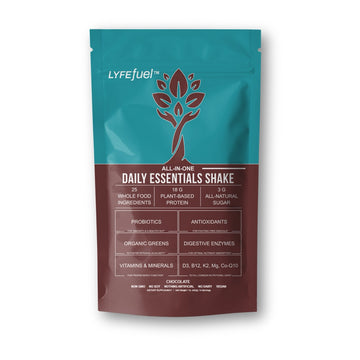
Essentials Shake
Chocolate · 24 servings
★★★★★★★★★★ 4.63 (1574)

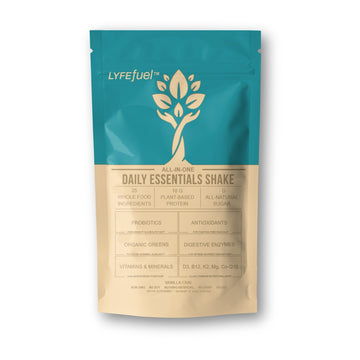
Essentials Shake
Vanilla Chai · 24 servings
★★★★★★★★★★ 4.63 (1574)

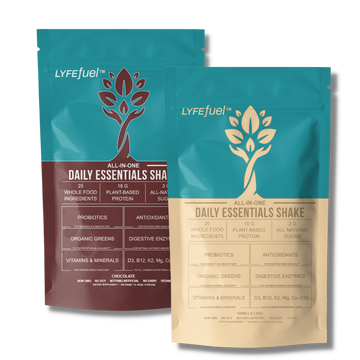
Essentials Bundle
2x Vanilla · free shaker
★★★★★★★★★★ 4.63 (1574)
Key Takeaways
- Dairy free means zero milk-derived ingredients, not just "no milk protein" on the front of the package. Whey, casein, lactose and milk protein isolate all count as dairy.
- Lactose intolerance, a true milk allergy and personal preference are different problems with different stakes. Only one of them requires strict allergen avoidance.
- Complementary plant proteins, usually pea plus rice, close the amino acid gaps that a single plant source leaves open.
- Dropping dairy removes a common source of calcium and, if you are also cutting other animal foods, B12. Both are worth checking on the label rather than assuming.
- If you suspect a true milk allergy rather than intolerance or preference, get it confirmed by a doctor. An allergy carries reaction risk that intolerance does not.
Why people go dairy free, and why the reason matters
"Dairy free" gets used as one label for three different situations, and the distinction changes how careful you need to be.
Lactose intolerance is the inability to fully digest lactose, the sugar in milk, because of low lactase enzyme activity. It causes gas, bloating or diarrhea, usually a couple of hours after dairy. It is common, it is not dangerous, and many people with it can tolerate small amounts of lactose or specific dairy products (aged cheese, for instance) without symptoms. For this group, a shake with a trace of milk-derived ingredient may be a minor inconvenience rather than a hard stop.
A milk allergy is an immune response to milk proteins, primarily casein and whey. It can range from hives and stomach upset to a severe reaction, and unlike intolerance it is not a dose question. Even small amounts of the allergen matter. If a true milk allergy is suspected and has not been diagnosed, that belongs in front of a doctor or allergist, not solved by trial and error with shakes. Allergen labeling and cross-contact statements matter far more here than they do for intolerance or preference.
Preference covers everyone avoiding dairy for reasons other than a medical diagnosis: digestion in general, an ethical stance, or simply choosing plant protein. This group has the most flexibility and the least risk if a label is imprecise.
Knowing which of the three you are matters because it changes how you read a label. Someone with intolerance is managing symptoms. Someone with a diagnosed allergy is managing risk.
Where dairy hides on a label
The obvious version, milk, cream or cheese powder, is easy to catch. The harder version is dairy folded into a protein blend or a flavoring system under a name that does not say "milk." Check for all of these:
- Whey protein, whey protein isolate, whey protein concentrate. The most common hidden dairy in a "protein shake." Comes directly from milk.
- Whey permeate. A byproduct of whey processing, often used as a cheap filler or sweetener base. Still dairy.
- Casein, caseinate, sodium caseinate, calcium caseinate. The other major milk protein, often used in flavoring systems and creamers, not just protein blends.
- Milk protein isolate or milk protein concentrate. Contains both casein and whey together.
- Lactose. Usually present as an excipient or bulking agent in flavor systems, not as an intentional ingredient, which is exactly why it is easy to miss on a quick scan.
- "Natural flavors" and non-dairy creamer bases. Not automatically dairy, but worth a second look if the label does not explicitly state dairy free, since flavoring systems sometimes carry trace dairy from processing.
The reliable check is the allergen statement at the bottom of the ingredient panel, which by law has to call out milk if it is present. Read that line before the marketing on the front of the bag. A product can say "plant-based" and still contain a whey-derived flavor carrier if it is not also labeled allergen-free for dairy.
What to look for instead
Once dairy is off the table, the label checks are mostly the same ones that apply to any meal replacement, with the protein source as the first filter.
1. Confirm the protein source by name. Pea, rice, soy, hemp or a pea-rice blend. If the label just says "plant protein blend" without naming the sources, that is a reason to look further, not necessarily a red flag, but worth confirming.
2. Check the allergen statement, not just the marketing claim. "Dairy free" on the front should be matched by "contains: none of milk" or an absence of milk in the allergen line.
3. Protein amount in the useful range. 15g to 30g per serving for something meant to stand in for a meal.
4. Calories, fiber and fat, the same three levers that make any shake behave like a meal instead of a snack. Most plant-based shakes run low on fat and fiber by default, so plan to add both.
5. Calcium and B12 listed by name and amount, since these are the two nutrients dairy is most commonly relied on for. More on this below.
6. Sweetener and additive load. Stevia, monk fruit and sugar alcohols behave differently in the gut, which matters more, not less, if you are already managing dairy-related digestive symptoms.
Plant protein options compared
Dairy free almost always means plant protein (or in a smaller number of products, egg white, which is dairy free but not vegan). None of the common plant sources is nutritionally identical to whey, and they are not identical to each other.
- Pea protein is a workable complete-enough protein on its own but is low in methionine. It digests well for most people and is one of the more common bases in dairy-free shakes.
- Rice protein is low in lysine but pairs well with pea, since the amino acid gaps in one are largely covered by the other. Pea plus rice is a common complementary pairing for exactly this reason.
- Soy protein is a complete protein on its own, no pairing required, but is a separate allergen some people are also avoiding, and some prefer to limit soy for unrelated reasons.
- Hemp protein is complete but lower in protein density per scoop than pea, soy or rice, so hemp-based shakes often need a larger serving to hit a useful protein number.
If a shake lists a single plant protein with no pairing and no completeness claim, that is not automatically a problem, but it is worth knowing whether the amino acid profile has been addressed or just ignored.
Calcium, B12 and what dropping dairy actually costs you
Dairy is a default source of calcium and, for people who eat other animal foods, not usually B12 (that mostly comes from meat, eggs and fortified foods, dairy is a secondary source). Cutting dairy without checking either nutrient on the new shake's label is the most common gap.
Calcium. Dairy is a concentrated, easy source. Plant-based alternatives get calcium from fortification (calcium carbonate or citrate added directly), from calcium-set tofu, or from smaller amounts naturally present in leafy greens and some seeds. Check that a dairy-free shake either lists calcium at a meaningful percent daily value or that you are getting it from elsewhere in your day.
B12. This one deserves more attention than dairy avoidance usually gets credit for, because B12 in general comes overwhelmingly from animal foods, and dairy is one of several sources, not the only one. If dropping dairy is part of a broader shift toward plant-based eating, B12 becomes a genuine gap to close, either through a fortified shake, a separate supplement, or fortified foods elsewhere in the diet. If you eat meat, fish or eggs regularly, this matters less.
Check both by name and amount on the Supplement Facts panel rather than assuming a "complete" shake covers them. Not every plant-based formula does.
What to blend it with
The liquid you use changes both nutrition and texture, and dairy-free does not mean water is your only option.
- Unsweetened soy milk is the closest plant milk to dairy in protein content and adds meaningfully to the shake's protein total.
- Pea milk is another higher-protein option and blends smoothly.
- Oat milk adds carbohydrate and a creamier texture but very little protein.
- Almond, coconut or other nut and seed milks are typically low in protein and calories, useful mainly for texture rather than nutrition.
- Water works nutritionally but leaves the shake thinner and less filling, since you lose whatever protein, fat or calcium the milk would have added.
Whichever you choose, add a fat source (nut butter, avocado, seeds) since most dairy-free shakes run light on fat, and fat is what your body needs to absorb vitamins A, D, E and K from the rest of the formula.
If you are managing a diagnosed milk allergy rather than intolerance or preference, treat cross-contact the same way you would with any allergen: check facility statements, not just ingredient lists, and confirm anything uncertain with your doctor or allergist before making a product a daily habit.
How LyfeFuel Essentials measures up against these criteria
Measuring our own shake against the checks above, honestly, including where it falls short:
- Dairy status: the shake contains no dairy and no soy. The allergens noted on the panel are tree nuts (from coconut) and wheat (from wheatgrass), not milk.
- Protein source: Canadian yellow pea and organic rice protein, the complementary pairing described above, at 18g per 33g scoop.
- Calcium and B12: the shake carries 27 vitamins and minerals listed by name and amount, including K2, but we are not going to claim strong calcium or B12 numbers here without the panel in front of you. Check the amounts against your own diet rather than assuming a shake alone closes the gap.
- Fiber: 1g per scoop. Low, and worth pairing with fruit, oats, or our bars, which carry 12g to 14g fiber, if you want more.
- Fat: 2g per scoop, so add your own, especially since fat-soluble vitamins are on the panel.
- Sweetener: stevia leaf extract, 3g sugar in the Chocolate flavor. No sugar alcohols, which matters if dairy-related digestion issues have made you sensitive to sugar alcohols in other shakes.
- Calories: 110 per scoop, a base rather than a full meal, built to be blended with a dairy-free milk, fruit and a fat source.
Frequently asked questions
What makes a meal replacement shake dairy free?
No milk-derived ingredients anywhere in the formula, including whey, casein, milk protein isolate, whey permeate or lactose used as a filler. The allergen statement at the bottom of the label is the reliable way to confirm this, not the front-of-package claim alone.
Is dairy free the same as lactose free?
No. Lactose free products can still contain milk protein (casein or whey) with the lactose removed, which does not help someone with a milk allergy. Dairy free means no milk-derived ingredients of any kind.
Can I have a small amount of dairy if I'm lactose intolerant?
Often yes, in small amounts or with specific products like aged cheese, since intolerance is a dose-dependent digestive issue rather than an immune reaction. A diagnosed milk allergy is different and does not work the same way; that distinction is worth confirming with a doctor if you are unsure which you have.
What protein is used instead of whey in dairy-free shakes?
Most commonly pea, rice, soy or hemp, alone or paired. Pea and rice are frequently combined because pairing covers the amino acid gaps each has on its own.
Do dairy-free shakes have enough calcium?
Only if calcium is added back through fortification or calcium-set ingredients, or if it comes from elsewhere in your diet. Check the amount by name on the Supplement Facts panel rather than assuming it matches dairy.
What should I blend a dairy-free shake with?
Unsweetened soy or pea milk if you want the closest match to dairy's protein contribution. Oat, almond or coconut milk work for texture but add little protein. Water works but leaves the shake thinner.
I think I might have a milk allergy, not just intolerance. What should I do?
Get it confirmed by a doctor or allergist before relying on label-reading alone. A true milk allergy carries reaction risk that intolerance does not, and cross-contact statements matter in a way they do not for intolerance or preference.
Related guides
- Best meal substitute shakes
- Healthy meal replacement shakes
- High protein meal replacement
- Lactose free meal replacement shakes
- Low calorie meal replacement shakes
- Low sugar meal replacement
- Meal replacement protein powder
- Meal replacement shakes for breakfast
- Meal replacement shakes for seniors
- Meal replacement shakes for women
- Meal substitute powder
- Nutritional meal replacement shakes
- Plant based meal replacement shakes
- Protein shakes without artificial sweeteners
- Vegan meal replacement