Low Carb Protein Powder: How to Choose One That Holds Up
A good low carb protein powder delivers at least 15g to 20g of protein per scoop with single-digit total carbs, and it gets there without leaning on sugar alcohols or fillers you would not eat on purpose. Check the total carbohydrate line, the serving size and the sweetener before you trust the front of the tub, and remember that what you mix it with can add more carbs than the powder itself.
Shop the Essentials range
View all products →
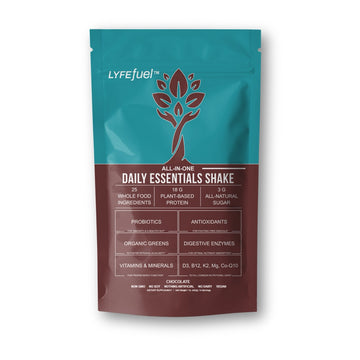
Essentials Shake
Chocolate · 24 servings
★★★★★★★★★★ 4.64 (1590)

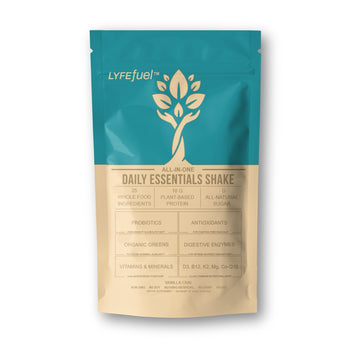
Essentials Shake
Vanilla Chai · 24 servings
★★★★★★★★★★ 4.64 (1590)

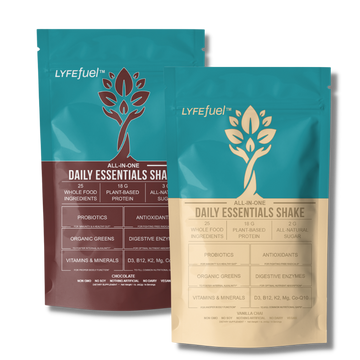
Essentials Bundle
2x Vanilla · free shaker
★★★★★★★★★★ 4.64 (1590)
Key Takeaways
- There is no official FDA definition of "low carb," so the phrase on a tub is marketing. Read the Total Carbohydrate line yourself.
- Protein-to-carb ratio is a fast way to compare powders. Three grams of protein or more per gram of carb is a strong ratio for a flavored powder.
- Carbs in protein powder come from the protein source, flavorings like cocoa, sweeteners, starch-based carriers and added fibers.
- "Net carbs" is not a term the FDA regulates. Subtracting fiber and sugar alcohols is a brand's own math, so check what was subtracted.
- Milk, oat milk, fruit and nut butters can add more carbs than the scoop. Plan the whole shake, not only the powder.
What makes a protein powder low carb
Protein powder is made by concentrating the protein in a food and removing most of the rest. The more refined the protein, the fewer carbs come along with it. That is why the protein source is the first thing that sets a powder's carb count.
- Isolates (whey isolate, pea protein isolate) are refined to a high protein percentage, so they carry very little carbohydrate before any flavor is added.
- Concentrates (whey concentrate, many rice proteins) keep more of the original food, which means a few more grams of carbs per scoop, and in the case of whey, some lactose.
- Whole seed and grain proteins (hemp, pumpkin seed, sprouted grain blends) keep more fiber and starch. Their total carbs look higher, though much of that can be fiber.
After the protein source, flavor and formula add the rest. Unflavored powders are almost always the lowest carb option, but most people do not want to drink them every day. Flavored powders add cocoa, sweeteners, natural flavors and texture agents, and each of those can move the number. A chocolate powder will usually run a gram or two higher than the vanilla version from the same brand, because cocoa itself contains carbohydrate.
There is no FDA-defined nutrient content claim for "low carbohydrate," unlike "low fat" or "low sodium." Any brand can print "low carb" on a label. Most people looking for a low carb protein powder are looking for single-digit total carbs per serving, and that is a reasonable working line.
Where the carbs hide on the label
The Supplement Facts or Nutrition Facts panel tells you the total. The ingredient list tells you where it came from. Read both.
1. Sugar and syrups. Cane sugar, coconut sugar, brown rice syrup and fruit juice powders all count as added sugar. A few grams can make a powder taste far better. More than that pushes carbs up quickly.
2. Starches and carriers. Maltodextrin, tapioca starch and other starch derivatives are used to bulk powders, carry flavors, or carry vitamin and mineral blends. In small amounts they barely move the total. When they appear high on the ingredient list, they can be a meaningful share of the carbs.
3. Added fibers. Inulin, chicory root, soluble corn fiber and isomaltooligosaccharides (IMO) are counted as carbohydrate. Some are fully counted as dietary fiber on the label, some partly. They can raise total carbs while lowering a brand's "net carb" number.
4. Gums. Xanthan and guar gum are used for texture. They are carbohydrates, but at the small amounts used in powder they add almost nothing to the total.
5. Fruit and greens powders. Freeze-dried berries, banana powder and grass powders add small amounts of carbohydrate along with their other compounds.
Also check the serving size. A powder that looks low carb at one scoop may recommend two scoops to reach its protein number. Compare products at the same protein dose, not the same scoop.
Protein-to-carb ratio: the fastest way to compare
Comparing carb counts alone can mislead you, because a powder with 2g of carbs and 10g of protein is not a better choice than one with 5g of carbs and 20g of protein. Divide protein by total carbs to get a single number you can compare across brands.
- 25g protein, 2g carbs (12.5 to 1): typical of an unflavored isolate.
- 20g protein, 4g carbs (5 to 1): very lean for a flavored powder.
- 18g protein, 6g carbs (3 to 1): solid for a flavored plant blend.
- 20g protein, 12g carbs (under 2 to 1): closer to a meal or recovery shake.
- 25g protein, 25g carbs or more (1 to 1): built for carbs, not a low carb pick.
A practical bar for a flavored powder you will drink daily is about 3 to 1 or better. Unflavored isolates beat that easily, but they trade taste and extras for the lowest number. Powders that add greens, fruit, fibers or vitamins tend to sit lower than plain isolates, because those ingredients carry some carbohydrate of their own.
Sweeteners, sugar alcohols and the "net carb" math
Most low carb protein powders are sweetened with something other than sugar. The common options:
- Stevia (rebaudioside A and other steviol glycosides) and monk fruit are plant-derived, intensely sweet, and used in milligram amounts, so they add essentially no carbs. Some people notice an aftertaste.
- Sugar alcohols such as erythritol, xylitol and maltitol are carbohydrates. Erythritol is mostly absorbed and excreted unchanged, while maltitol is partly digested. In larger amounts, sugar alcohols can cause gas or a loose stomach in some people.
- Allulose is a rare sugar that the FDA allows brands to leave out of the Total Sugars and Added Sugars lines on the label.
- Artificial sweeteners such as sucralose, acesulfame potassium and aspartame add no meaningful carbs. Many shoppers avoid them for ingredient quality reasons rather than carb reasons.
"Net carbs" usually means total carbohydrate minus fiber, and sometimes minus sugar alcohols and allulose as well. The FDA does not define or regulate the term, so two brands can calculate it differently. If a front label shows net carbs, find Total Carbohydrate on the panel and see what was subtracted. A powder with 2g net carbs and 14g total carbs is a very different product from one with 2g net and 3g total.
What you mix it with changes everything
The scoop is only part of the shake. Common mix-ins carry more carbohydrate than many powders do:
- Dairy milk adds roughly 12g of carbs per cup, all of it lactose.
- Oat milk is often similar to or higher than dairy milk, and many brands contain added sugar.
- Unsweetened almond, cashew or coconut beverages usually add only a gram or two per cup.
- Water adds nothing and lets the powder's flavor carry the shake.
- Half a banana adds well over 10g of carbs. A handful of berries adds less, plus fiber.
- Nut butter, chia or flax add fat and fiber with modest carbs, which also makes the shake more filling.
If you are drinking the shake as a meal, a low carb powder in water is usually too light on its own. Adding a fat source and a little fruit or fiber turns it into something closer to a real meal while keeping carbs moderate.
Who low carb protein powder suits, and when to ask a doctor
A low carb protein powder makes sense for anyone who wants an easy protein dose without the extra sugar and starch of many shakes: people eating fewer carbs by preference, people who drink a shake between meals and do not want it to become dessert, and people who simply want more protein in their day without much else.
It is not automatically better. Endurance athletes and people training hard may want carbohydrate with their protein after long sessions. Very low carb diets are a medical decision for some people, not just a food preference.
Talk with your doctor before changing your carbohydrate intake if you take medication for diabetes or blood pressure, have kidney disease, are pregnant or breastfeeding, or are managing any medical condition. A protein powder is food, and it does not treat or manage disease.
How LyfeFuel Essentials measures up on these criteria
Our Essentials Nutrition Shake is a plant-based protein shake, not an unflavored isolate, so here is how it scores against the checklist above, weak points included.
- Carbs and ratio: Chocolate has 6g total carbs with 18g protein, a 3 to 1 ratio. Vanilla Chai has 5g total carbs, about 3.6 to 1. That clears the bar for a flavored powder, but an unflavored isolate will always be lower.
- Sugar: 3g sugar per scoop. In Chocolate all 3g are added, from organic coconut sugar. Vanilla Chai has 1g added. Low, not zero.
- Fiber: only 1g, so subtracting fiber barely changes the number. We do not lean on "net carb" math.
- Where the carbs come from: cocoa, a little coconut sugar, 1,000mg of IMO (OligoSMART), 1,000mg of Palatinose from sugar beets, a berry blend and small greens amounts. The vitamin premix uses maltodextrin as a carrier, and xanthan and guar gum are used for texture.
- Sweetener: stevia leaf extract. No sugar alcohols, no sucralose.
- Protein: 18g from Canadian yellow pea and organic rice protein, a complementary pair, in 110 calories. No dairy, no soy ingredients.
- Extras: flax, spirulina, five probiotic strains and a digestive enzyme blend. The 27 vitamins and minerals are a standard synthetic premix, typical for the category, and our next formulation is the one rebuilding that.
- As a meal: 2g fat and 1g fiber, so it is a base. Mix with unsweetened almond milk or water, then add a fat like nut butter or chia and a few berries.
- Allergens: contains coconut (tree nuts) and wheatgrass (wheat).
Frequently asked questions
How many carbs should a low carb protein powder have?
There is no official cutoff, because the FDA has not defined "low carb." Most people use single-digit total carbs per serving as a working line. Compare protein to carbs as well: about 3 grams of protein per gram of carb or better is strong for a flavored powder.
Which type of protein powder has the fewest carbs?
Unflavored isolates, such as whey isolate or pea protein isolate, usually have the fewest carbs because most of the original food has been removed. Flavoring, cocoa, sweeteners and added ingredients raise the count from there.
Is plant-based protein powder low carb?
It can be. Pea protein and pea and rice blends can be quite low in carbs, especially as isolates. Hemp and whole seed powders keep more fiber and starch, so their total carbs are higher, though much of that can be fiber.
What does "net carbs" mean on a protein powder?
It usually means total carbs minus fiber, and sometimes minus sugar alcohols and allulose too. The FDA does not regulate the term, so brands calculate it differently. Check the Total Carbohydrate line and the ingredient list to see what was subtracted.
Do sugar alcohols count as carbs?
Yes. Sugar alcohols such as erythritol, xylitol and maltitol are carbohydrates and are included in total carbohydrate on the label. They are absorbed and digested to different degrees, and larger amounts can cause digestive discomfort in some people.
What should I mix a low carb protein powder with?
Water or unsweetened almond, cashew or coconut beverages add the fewest carbs. Dairy milk adds about 12g per cup and many oat milks add similar or more. Add nut butter, chia or flax if you want the shake to be more filling.
Is a low carb protein shake safe if I have diabetes?
Talk with your doctor or dietitian first, especially if you take medication that lowers blood sugar, because changing your carbohydrate intake can affect how that medication works. A protein shake is food and is not a treatment for any condition.
Related guides
- Best meal substitute shakes
- Dairy free meal replacement shakes
- Healthy meal replacement shakes
- High protein meal replacement
- Lactose free meal replacement shakes
- Low calorie meal replacement shakes
- Low sugar meal replacement
- Meal replacement protein powder
- Meal replacement shakes for breakfast
- Meal replacement shakes for seniors
- Meal replacement shakes for women
- Meal substitute powder
- Nutritional meal replacement shakes
- Plant based meal replacement shakes
- Plant based protein shakes
- Protein powder with probiotics
- Protein shakes without artificial sweeteners
- Vegan meal replacement