Chocolate Plant-Based Protein Powder: How to Pick One That Tastes Good
The best chocolate plant-based protein powder pairs a complete protein, usually pea and rice together, with real cocoa powder on the label and a sweetener and sugar level you are happy to drink every day. Chocolate is also the easiest flavor for plant protein, because cocoa covers the earthy taste of pea and the slight grit of rice better than almost anything else.
Shop the Essentials range
View all products →
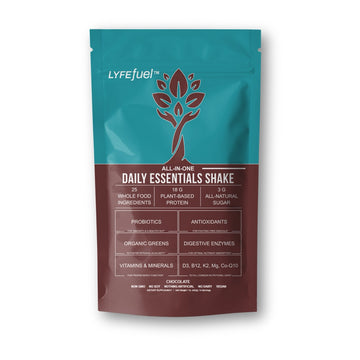
Essentials Shake
Chocolate · 24 servings
★★★★★★★★★★ 4.64 (1600)

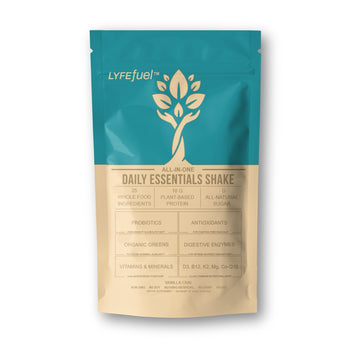
Essentials Shake
Vanilla Chai · 24 servings
★★★★★★★★★★ 4.64 (1600)

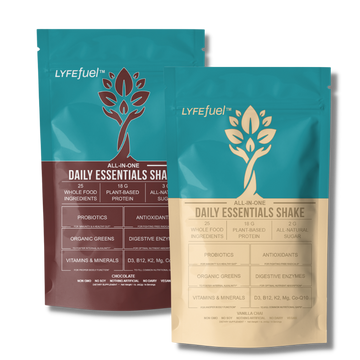
Essentials Bundle
2x Vanilla · free shaker
★★★★★★★★★★ 4.64 (1600)
Key Takeaways
- Chocolate is the most forgiving flavor for plant protein. Cocoa's bitterness and depth mask the earthy notes of pea and the grainy texture of rice.
- Look for cocoa powder in the ingredient list, not just "natural flavor." Cocoa is what makes a chocolate powder taste like chocolate.
- A pea and rice blend gives you a complete protein. Pea is low in methionine and rice is low in lysine, so each covers the other's gap.
- Chocolate powders often carry a little more sugar or sweetener than vanilla, because cocoa is bitter. Check grams of added sugar and which sweetener is used.
- Most plant protein powders are a base, not a full meal. Blend with milk, fruit and a fat such as nut butter if the shake is replacing breakfast or lunch.
What makes a chocolate plant-based protein powder taste good?
Taste comes down to four things on the label: the protein source, the cocoa, the sweetener and the salt.
The protein source sets the baseline. Pea protein has an earthy, slightly beany taste. Rice protein is milder but can feel gritty. Blends of the two tend to taste and feel better than either alone, and the way the protein is processed also changes how smooth it is.
Cocoa does the heavy lifting. Real cocoa powder adds bitterness, roast and depth. That is exactly what hides plant-protein flavors. A powder that relies only on "natural flavor" for its chocolate taste often tastes thin or artificial by comparison.
Sweetness balances the bitterness. Cocoa on its own is bitter, so every chocolate powder needs a sweetener. Too little and it tastes like baking cocoa. Too much and it tastes like candy, especially once you add a sweet plant milk.
Salt makes chocolate taste more like chocolate. A small amount of salt rounds off bitterness and lifts sweetness. That is why many chocolate powders list sea salt, and why their sodium can be higher than you might expect from a protein shake.
The liquid you mix with matters too. Water gives the lightest, least chocolatey result. Unsweetened almond, oat or coconut milk makes it creamier and richer, and adds calories you should count.
Which plant proteins work best in a chocolate powder?
Most chocolate plant-based powders use one of a few protein sources. Each has tradeoffs.
- Pea protein: the most common base. High in protein per gram, rich in the amino acid lysine, and lower in methionine. Earthy on its own, which chocolate covers well.
- Rice protein: milder flavor, lower in lysine and relatively higher in methionine. Often paired with pea for that reason.
- Pea and rice blend: the two together give a complete amino acid profile, which is why so many plant powders use this pairing. A good default if you want one powder for everyday use.
- Hemp protein: nutty and naturally green-brown, with some fiber and fat, but lower in protein per scoop. Chocolate suits its color and taste.
- Pumpkin seed and sunflower protein: less common, earthy, sometimes used in smaller amounts within blends.
A complete protein matters most if the powder is a main protein source in your day. If you eat a varied plant-based diet, your other meals also fill amino acid gaps, so a single-source powder can still work.
Check the protein per scoop, not just the claims on the front of the bag. Many plant powders land between 15g and 25g per scoop. More protein per scoop usually means a larger scoop or less room for flavor and texture ingredients.
Cocoa, sugar and sweeteners: what to check
Chocolate flavors raise a few label questions that vanilla or unflavored powders do not.
Is cocoa on the ingredient list? Look for cocoa powder or cacao. Dutch-processed (alkalized) cocoa tastes smoother and darker. Natural cocoa and cacao taste sharper and more bitter. Either works. What you want to see is cocoa of some kind, not chocolate flavor alone.
How much added sugar? Because cocoa is bitter, chocolate powders often carry a little more sugar than other flavors from the same brand. A few grams of added sugar per scoop is a reasonable level for a daily shake. The Nutrition or Supplement Facts panel lists added sugar separately, so you do not have to guess.
Which sweetener? Common options include:
- Stevia and monk fruit: plant-derived, very sweet, used in small amounts. Some people notice an aftertaste, which cocoa usually softens.
- Sucralose and acesulfame potassium: artificial sweeteners. If you avoid them, read past the front label to the ingredient list.
- Sugar alcohols such as erythritol: add sweetness with few calories but can upset some stomachs in larger amounts.
- Coconut sugar, cane sugar or dates: real sugars. They count toward added sugar.
Many chocolate powders combine a small amount of real sugar with a high-intensity sweetener. That usually gives a rounder chocolate taste than either alone.
Texture, mixing and the label lines people skip
A chocolate shake that tastes right but feels chalky will not last in your routine. These label lines predict texture and how the shake sits with you.
1. Gums. Xanthan gum and guar gum keep the powder suspended and make the shake thicker. They help texture, but some people prefer to keep them low. Check how high they sit on the ingredient list.
2. Proprietary blends. A blend with one total weight hides how much of each ingredient you get. Prefer labels that list each protein source and add-in with its amount.
3. Allergens. Plant-based does not mean allergen-free. Read the "Contains" statement for tree nuts, wheat, soy and other allergens, since coconut, wheatgrass and nut milks show up in many plant blends.
4. Sodium. Chocolate powders often use salt for flavor. Compare sodium per scoop if you watch your intake.
5. Testing. Cocoa and some plant proteins can pick up trace heavy metals from soil. It is reasonable to ask a brand whether finished batches are third-party tested, and whether those tests include heavy metals.
6. Serving size. A 30g scoop and a 45g scoop are not comparable. Compare protein, sugar and calories per scoop, then per gram of protein if you want an even match.
For smoother mixing, add liquid to the shaker first, then the powder, and shake for 15 to 20 seconds. A blender removes almost all grit, especially with ice or frozen fruit.
How to use chocolate protein powder
Chocolate is the most versatile protein flavor, which makes it easier to use daily.
- Classic shake: one scoop with cold water or unsweetened plant milk. The fastest option.
- Breakfast smoothie: chocolate powder, a frozen banana, a spoon of peanut or almond butter, oats and plant milk. This version adds the fat, fiber and carbohydrate that a powder alone is missing, so it can stand in for a meal.
- Mocha: stir into iced or warm coffee. Make a paste with a little cold liquid first so it does not clump in hot coffee.
- Protein oats: stir a scoop into cooked oatmeal after it comes off the heat, with a splash of milk to loosen it.
- Chocolate chia pudding: whisk powder, chia seeds and plant milk, then refrigerate overnight.
- Baking and energy bites: use a scoop in place of some flour in pancakes, muffins or no-bake bites. Heat changes protein's structure but not its amino acids, so baked protein still counts toward your day.
If the shake is a snack, a scoop with water is fine. If it is replacing a meal, build it out with food. A single scoop of most powders is too light in calories, fat and fiber to be a full meal on its own.
How LyfeFuel Essentials Chocolate measures up
Our Essentials Nutrition Shake in Chocolate is a plant-based protein shake. Here is how it scores against the checklist above, weak points included.
- Protein: 18g per scoop from Canadian yellow pea protein plus organic rice protein, the complementary pairing covered above. 110 calories per scoop.
- Cocoa: cocoa powder is on the ingredient list, along with natural flavor and sea salt.
- Sugar and sweetener: 3g total sugar per scoop, all of it added, from organic coconut sugar, plus stevia leaf extract. No sucralose, no sugar alcohols. Our Vanilla Chai flavor has 1g added sugar if you want less.
- Texture: xanthan gum and guar gum keep it smooth and suspended.
- Sodium: 290mg per scoop, which is on the higher side for a shake. Worth knowing if you watch sodium.
- Extras: a probiotic blend, a digestive enzyme blend and named whole food blends, including a super berry blend and organic greens, each listed with its amount.
- Vitamins and minerals: 27, listed by name and amount. The premix is a standard synthetic one, typical for the category, and our next formulation is the one rebuilding it.
- Fiber and fat: only 1g fiber and 2g fat per scoop. It is a base. Blend with fruit and nut butter, or eat something alongside it, if it is your meal.
- Testing: every batch is third-party tested by Eurofins, including for heavy metals.
- Allergens: no dairy and no soy ingredients. Contains coconut (tree nuts) and wheatgrass (wheat).
Frequently asked questions
What is the best chocolate plant-based protein powder?
The best one for you has a complete protein such as a pea and rice blend, real cocoa powder on the ingredient list, an added sugar level you are comfortable with and a sweetener you like. Compare protein, sugar and calories per scoop, and read the "Contains" statement for allergens.
Does chocolate plant protein taste better than vanilla?
For many people, yes. Cocoa's bitterness and depth cover the earthy taste of pea protein and the slight grit of rice protein better than most flavors. Vanilla and chai flavors tend to show plant-protein notes more, although blending with plant milk and fruit helps any flavor.
Is chocolate plant-based protein powder dairy-free?
Plant-based powders are usually made without dairy ingredients, but always check the ingredient list and the "Contains" statement. Some chocolate products use milk-based flavors or are made on shared equipment, which the label or brand should disclose.
Is pea and rice protein a complete protein?
Together, yes. Pea protein is low in methionine and rice protein is low in lysine, so a blend of the two provides all nine essential amino acids in useful amounts. That is why many plant-based powders pair them.
How much sugar should a chocolate protein powder have?
There is no single right number, but a few grams of added sugar per scoop is a reasonable level for a daily shake. Chocolate flavors often carry slightly more sugar than other flavors because cocoa is bitter. The panel lists added sugar separately so you can compare.
Can a chocolate protein shake replace a meal?
On its own, usually not. A scoop of most plant protein powders mixed with water is light on calories, fat and fiber. Blend it with plant milk, fruit and nut butter, or eat it with food, if it is standing in for a meal.
Why does my chocolate plant protein shake taste gritty?
Rice protein and some plant blends have a slightly grainy texture. Add the liquid first, shake for 15 to 20 seconds, use a little more liquid, or blend with ice or frozen fruit. Letting the shake sit for a minute also helps the powder hydrate.
Related guides
- Best meal substitute shakes
- Dairy free protein powder
- Healthy meal replacement shakes
- High protein meal replacement
- Low calorie meal replacement shakes
- Low carb protein powder
- Low sugar meal replacement
- Meal replacement protein powder
- Meal replacement shakes for breakfast
- Meal replacement shakes for seniors
- Meal replacement shakes for women
- Meal substitute powder
- Nutritional meal replacement shakes
- Plant based meal replacement shakes
- Plant based protein shakes
- Protein powder for coffee
- Protein powder for men
- Protein powder with probiotics
- Protein shakes without artificial sweeteners
- Vegan meal replacement