Protein Shakes Without Artificial Sweeteners: How to Read the Label
A protein shake without artificial sweeteners is one that skips sucralose, acesulfame potassium, aspartame and saccharin, and is usually sweetened instead with stevia leaf extract, monk fruit, a sugar alcohol, allulose, a small amount of real sugar, or nothing at all. "No artificial sweeteners" does not mean unsweetened or sugar free, so the ingredient list, not the front of the bag, tells you which of those you are getting.
Shop the Essentials range
View all products →
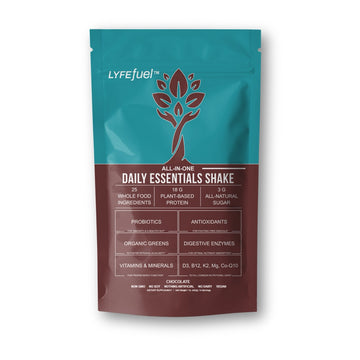
Essentials Shake
Chocolate · 24 servings
★★★★★★★★★★ 4.63 (1574)

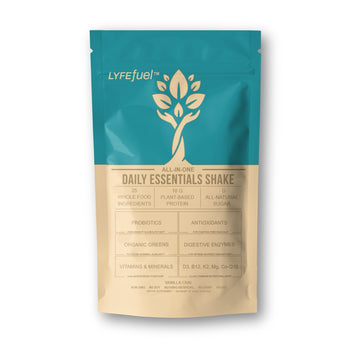
Essentials Shake
Vanilla Chai · 24 servings
★★★★★★★★★★ 4.63 (1574)

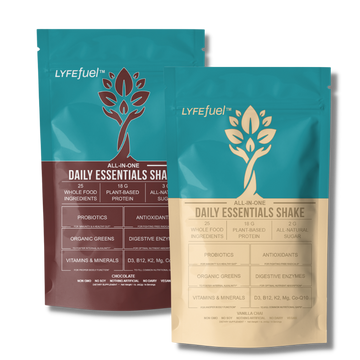
Essentials Bundle
2x Vanilla · free shaker
★★★★★★★★★★ 4.63 (1574)
Key Takeaways
- The four artificial sweeteners you will see most on shake labels are sucralose, acesulfame potassium (ace-K), aspartame and saccharin.
- Stevia leaf extract and monk fruit are natural-origin, not artificial, but they are still high-intensity sweeteners and some people dislike the aftertaste.
- Sugar alcohols like erythritol, xylitol and maltitol are a separate category, and the main reason people avoid them is digestive comfort.
- "No artificial sweeteners" and "no added sugar" are different claims. A shake can make one, both or neither.
- If you want no sweetener of any kind, look for an unsweetened powder and sweeten it yourself with fruit.
Which sweeteners count as artificial
"Artificial" is used loosely on packaging, so it helps to sort sweeteners into five groups. Each behaves differently, and people avoid each for different reasons.
1. Artificial high-intensity sweeteners. These are synthesized compounds that are many times sweeter than sugar, so a tiny amount sweetens a whole scoop with essentially no calories. The ones that show up most in protein powders are:
- Sucralose, often sold under the Splenda name, made by chemically modifying sugar. It is the most common sweetener in mainstream protein shakes.
- Acesulfame potassium (ace-K), frequently paired with sucralose because the two together mask each other's aftertaste.
- Aspartame, more common in diet sodas than powders. It contains phenylalanine, which is why labels carry a warning for people with phenylketonuria (PKU).
- Saccharin, the oldest of the group, now uncommon in shakes.
2. Natural-origin high-intensity sweeteners. Stevia leaf extract (usually purified steviol glycosides such as Rebaudioside A, written as Reb A) and monk fruit extract (also called luo han guo) come from plants rather than a lab synthesis. They are not artificial. They are, however, still extracted and purified, intensely sweet, and close to zero calories, which is why some people who avoid artificial sweeteners also avoid these.
3. Sugar alcohols. Erythritol, xylitol, maltitol and sorbitol are polyols. They provide bulk and sweetness with fewer calories than sugar and are often blended with stevia or monk fruit to round out the taste.
4. Rare sugars. Allulose is a sugar found in small amounts in foods like figs and raisins, produced commercially at scale. It tastes close to sugar and contributes very few calories.
5. Caloric sugars. Cane sugar, coconut sugar, maple syrup, honey, dates and fruit powders. These are not "artificial" by any definition, but they add calories and show up on the Added Sugars line.
Regulators, including the US FDA, consider the approved sweeteners in all of these groups safe at normal intakes. Most people who look for shakes without artificial sweeteners are doing it for taste, for a preference toward simpler ingredients, or because certain sweeteners do not sit well with them, not because a normal serving is dangerous. If you have a specific medical reason to avoid a sweetener, PKU being the clearest example, follow your doctor's guidance.
Stevia and monk fruit: not artificial, but still sweeteners
This is where most of the confusion lives. A shake sweetened with stevia can truthfully say "no artificial sweeteners," and plenty of people are happy with that. Other people search for this exact phrase because they want to avoid the taste of high-intensity sweeteners altogether, and stevia does not get them there.
What to know about each:
Stevia leaf extract. The sweet compounds in the stevia plant are steviol glycosides. Reb A is the most common purified form, and newer forms like Reb M are marketed as tasting closer to sugar. Stevia's most common complaint is a lingering, slightly bitter or licorice-like aftertaste, which some people notice strongly and others do not notice at all. Taste sensitivity to it varies a lot between people, so a review that says "no aftertaste" and one that says "too stevia-forward" can both be honest.
Monk fruit extract. The sweetness comes from compounds called mogrosides. Many people find the aftertaste milder than stevia, though it can have a fruity note of its own. Pure monk fruit extract is expensive, so it is often blended with erythritol, which matters if you are avoiding sugar alcohols.
The practical point: if you want "no artificial sweeteners," stevia and monk fruit qualify. If you want "no high-intensity sweeteners," they do not, and your options narrow to shakes sweetened with sugar, allulose, fruit, or nothing.
Sugar alcohols, allulose and real sugar
Sugar alcohols and digestion. Sugar alcohols are only partly absorbed in the small intestine. The rest moves into the large intestine, where it can draw in water and be fermented by gut bacteria. That is why larger amounts can cause bloating, gas or loose stools in some people. Tolerance differs by type and by person:
- Erythritol is mostly absorbed before it reaches the large intestine, so it is generally the best tolerated of the group, although some people still react to it.
- Xylitol and maltitol are more likely to cause digestive discomfort at moderate amounts. Maltitol also contributes more calories than the others.
- Xylitol is toxic to dogs, which is worth knowing if your shake powder lives in a kitchen with a pet.
If protein shakes have given you stomach trouble and you could not figure out why, the sugar alcohol line is a good first place to look, alongside the protein type and serving size.
Allulose. Allulose tastes and behaves much like sugar, including browning when cooked, and contributes very few calories. In the US, the FDA allows brands to leave allulose out of the Total Sugars and Added Sugars lines, though it still counts in Total Carbohydrate. Some people find it causes digestive discomfort in large amounts too. If you want a deeper comparison, our allulose vs stevia guide covers taste and use differences.
A small amount of real sugar. This option is often overlooked. A few grams of cane or coconut sugar per serving is a modest amount, avoids high-intensity sweeteners entirely, and can taste more rounded than a zero-calorie sweetener used alone. The tradeoff is that it shows up as added sugar. For context, the Dietary Guidelines for Americans recommend keeping added sugars under 10% of daily calories, so a few grams in a shake fits comfortably for most people.
How to read a shake label for sweeteners
Front-of-pack claims are written to sell. The ingredient list and the Nutrition or Supplement Facts panel are where the answer actually lives. A practical check:
1. Read the full ingredient list, not just the claims. Sweeteners are listed by name. Look for sucralose, acesulfame potassium, aspartame, saccharin, steviol glycosides, stevia leaf extract, Reb A, monk fruit or luo han guo, erythritol, xylitol, maltitol, sorbitol, allulose, and any form of sugar or syrup.
2. Watch for "stevia blend" or "monk fruit blend." These often contain erythritol as the main ingredient by weight, with the stevia or monk fruit providing the intensity. If you are avoiding sugar alcohols, a blend may surprise you.
3. Do not assume "natural flavors" is a sweetener. Natural flavors are flavoring compounds, not a hidden sweetener category. The sweetener still has to be listed on its own line.
4. Separate the claims. "No artificial sweeteners" means none of the synthetic group. "No added sugar" means no caloric sugars were added, but the product may still use stevia, monk fruit or sugar alcohols. "Sugar free" has a regulated meaning (less than 0.5g sugar per serving) and usually implies a non-sugar sweetener is doing the work. "Unsweetened" is the only claim that means nothing was added for sweetness.
5. Check the Added Sugars line. This tells you how much caloric sugar was added, separate from sugars that come naturally from ingredients like fruit powder or cocoa.
6. Check the Total Carbohydrate line if you see sugar alcohols or allulose. Some brands list sugar alcohols separately on the panel; others only mention them in the ingredients.
Also be aware that "natural" has no formal FDA definition for most foods, so "naturally sweetened" is a marketing phrase. It usually signals stevia, monk fruit or a caloric sugar, but only the ingredient list confirms which.
Meal replacement shakes without artificial sweeteners
The same rules apply to meal replacement shakes, with one added consideration: a meal replacement is supposed to carry more than protein, so the ingredient list is longer and there are more places for a sweetener system to hide.
A few things worth checking beyond the sweetener:
- Protein per serving. A shake used in place of a meal should carry enough protein to keep you satisfied. Many people aim for roughly 15g to 30g per serving depending on body size and goals.
- Calories and fat. A low-calorie shake mixed with water is a protein base, not a full meal. Adding a fat source like nut butter, seeds or avocado, plus a piece of fruit, turns it into one. Fat also helps you absorb the fat-soluble vitamins A, D, E and K that most formulas contain.
- Fiber. Many shakes are low in fiber. Fruit, oats, chia or ground flax added to the blender is the easiest fix.
- The rest of the list. Gums, fillers and other Questionable Additives are worth scanning for at the same time as sweeteners, especially if you are reading the label because you want a simpler product overall.
The unsweetened route. If you want full control, buy an unsweetened protein powder and blend it with banana, dates, berries or a spoon of honey or maple syrup. You trade convenience and a bit of taste consistency for knowing exactly what sweetens your shake. Unsweetened plant proteins can taste earthy on their own, so fruit and a fat source make a bigger difference than with flavored powders.
Whichever route you pick, a shake only supports a calorie goal if it has fewer calories than the meal it replaced. Removing artificial sweeteners does not change that math in either direction. If you are managing diabetes, digestive conditions, pregnancy or medication, talk with your doctor or a registered dietitian about which sweeteners and how much protein suit you.
How LyfeFuel Essentials measures up on these criteria
Here is our own shake run through the checklist above, including the parts that will not suit everyone.
- Sweetener: both flavors are sweetened with Stevia Rebaudioside A leaf extract. That is natural-origin, not artificial, so there is no sucralose, ace-K, aspartame or saccharin. It is still a high-intensity sweetener, though. If you dislike the taste of stevia or avoid it on principle, this shake is not the right fit, and we would rather tell you that here than in a review.
- Sugar alcohols: none. No erythritol, xylitol or maltitol on the panel.
- Sugar: 3g per scoop in both flavors. In Chocolate all 3g are added; in Vanilla Chai 1g is added. Low, but not zero, so we do not call it sugar free.
- Protein: 18g per 33g scoop from Canadian yellow pea and organic rice protein, a complementary pairing.
- Calories and fat: 110 calories and 2g fat. That is a base, not a full meal. Blend it with nut butter and fruit.
- Fiber: 1g, low. Fruit, oats or one of our bars (12g to 14g fiber) fill that gap.
- Whole food base: each blend is named on the panel with its amount, including spirulina, flax, pomegranate and grape seed. The 27 vitamins and minerals come from a standard synthetic premix, which is normal for the category and is what our next formulation rebuilds.
- Allergens: no dairy or soy. Contains tree nuts (coconut) and wheat (wheatgrass in the greens blend).
Frequently asked questions
What are the artificial sweeteners to avoid in protein shakes?
The four most common are sucralose, acesulfame potassium (ace-K), aspartame and saccharin. Sucralose and ace-K are the ones you will see most often in protein powders, frequently together.
Is stevia an artificial sweetener?
No. Stevia leaf extract comes from the stevia plant and is classed as a natural-origin high-intensity sweetener. It is still intensely sweet and purified, and some people notice a bitter or licorice-like aftertaste, so "no artificial sweeteners" does not always mean "no stevia."
Is monk fruit better than stevia?
Neither is objectively better. Many people find monk fruit's aftertaste milder, while others prefer stevia. Check whether a monk fruit product is blended with erythritol if you are avoiding sugar alcohols.
Why do some protein shakes upset my stomach?
Sugar alcohols like xylitol, maltitol and sorbitol are a common cause, since they are only partly absorbed and can cause gas or bloating. Protein type, serving size and lactose in dairy-based shakes are other usual suspects. If symptoms are persistent, see a doctor.
Does "no added sugar" mean no sweeteners?
No. A shake with no added sugar can still be sweetened with stevia, monk fruit, sugar alcohols or allulose. Only "unsweetened" means nothing was added for sweetness.
Are artificial sweeteners safe?
Regulators such as the FDA consider the approved sweeteners safe at normal intakes. Most people avoid them because of taste, ingredient preference or digestive comfort. People with PKU must avoid aspartame. For personal medical questions, ask your doctor.
Does LyfeFuel's shake contain artificial sweeteners?
No. Both flavors are sweetened with Stevia Reb A leaf extract, with no sugar alcohols. Chocolate contains 3g of added sugar and Vanilla Chai contains 1g. If you avoid stevia entirely, it is not the right shake for you.
Related guides
- Best meal substitute shakes
- Dairy free meal replacement shakes
- Healthy meal replacement shakes
- High protein meal replacement
- Lactose free meal replacement shakes
- Low calorie meal replacement shakes
- Low sugar meal replacement
- Meal replacement protein powder
- Meal replacement shakes for breakfast
- Meal replacement shakes for seniors
- Meal replacement shakes for women
- Meal substitute powder
- Nutritional meal replacement shakes
- Plant based meal replacement shakes
- Vegan meal replacement