Best Huel Alternative in 2026: LyfeFuel vs Huel Nutrition Comparison
Chris ManderinoThe rise of meal replacement shakes has changed the way we think about nutrition on busy days — but that doesn't mean one shake fits all goals or bodies. While Huel has carved out a loyal following for its calorie-dense shakes and minimal-effort meals, many users eventually find themselves exploring Huel alternatives.
Sometimes it’s a matter of taste or texture. Other times, it’s about finding a formula that aligns better with specific goals—like cleaner ingredients, better digestion, or a more whole-food-based approach to nutrition. If you’re on a mission to optimize what you fuel your body with, this guide will help you understand where Huel fits and how LyfeFuel compares.
It’s not about which product is “better” overall. It’s about which one is a better fit for you among the many alternatives to Huel.
Why People Explore Huel Alternatives
If you're curious about what makes a shake more than just convenient fuel, explore our deep dive into the hidden truth about nutritional supplements.
Huel has built a strong reputation in the meal replacement world. With its simple powdered format and macro-balanced profile, it’s popular among busy professionals, students, and anyone needing fast fuel.
But as nutritional needs evolve, so do preferences. One common reason people seek a Huel alternative is the desire for a shake that’s rooted more in whole foods. While Huel offers functional convenience, some users crave a cleaner label and ingredients they recognize without reading a science dictionary. If label transparency matters to you, we also recommend reading about organic vs. synthetic vitamins.
Taste and texture also play a role. Some find Huel's flavor profile too artificial or chalky. Others note digestive discomfort from certain ingredients like sucralose or synthetic fibers. Personalization is another factor—many users want something that does more than just fill them up. They want functional benefits like improved energy, focus, digestion, and long-term health support.
In short, alternatives to Huel aren’t always about rejection. They’re about refinement and finding the shake that works best for your body.
What to Consider When Choosing a Meal Replacement
Looking for a deeper breakdown of smart shake choices? Read how to choose the best protein powder based on your nutrition needs.
If you’re in the market for Huel meal alternatives, it helps to know what to look for. The first factor is protein quality. Is it a complete source? Is it derived from whole foods or isolates? Look for plant-based proteins like pea and rice for optimal digestion and a balanced amino acid profile.
Whole food content is another key. Shakes made with dehydrated superfoods, greens, fruits, and vegetables tend to offer more natural micronutrient diversity than those relying on synthetic vitamin blends.
Speaking of vitamins, micronutrient density matters more than most people realize. The best formulas provide 25+ essential nutrients sourced from food — not isolated lab-made powders.
Transparency is also critical. Are the ingredients clearly labeled? Or are they hidden behind proprietary blends? A shake’s sweetener source matters too—many prefer low-glycemic options like monk fruit or stevia over artificial additives.
Finally, consider digestive comfort and price per serving. The best shake isn’t just about hitting macros—it’s about how it makes you feel and how sustainable it is for your wallet.
Huel vs. LyfeFuel: A Direct Comparison
Both Huel and LyfeFuel offer meal replacements, but they’re built with different philosophies in mind. If you’re deciding between the two, it helps to look at what each brings to the table—from ingredients to digestion to long-term health support.
Let’s take a closer look at how LyfeFuel vs Huel stack up:
| Feature | Huel | LyfeFuel Essentials |
|---|---|---|
| Protein Source | Pea, brown rice, oats | Organic pea + rice protein |
| Protein (grams) | 20g (per 400 kcal) | 18g (per 120 kcal) |
| Micronutrients | Synthetic and isolated vitamins | Food-based, from whole-food ingredients |
| Sweeteners | Sucralose, Acesulfame K (varies) | Organic Coconut Sugar + Stevia |
| Superfoods | Limited | 30+ whole-food superfoods |
| Calories per Serving | 400 (standard) | 110–120 |
| Sugar | ~1g (low sugar, artificial sweeteners) | 3g or less (natural) |
| Digestive Support | Added fiber, may cause bloating for some | Prebiotics, digestive enzymes, better gut comfort |
| Price per Serving | ~$2.50–$3.00 | ~$2.50 |
Huel works well for those needing a higher-calorie meal replacement focused on convenience. LyfeFuel, with its emphasis on whole foods and micronutrients, is better suited for people prioritizing clean, functional nutrition.
Why LyfeFuel is a Better Choice for Long-Term Health
Want to understand the science behind our nutrient-dense formula? Check out LyfeFuel: The Ultimate Plant Fuel for Life to learn how it supports performance and longevity.
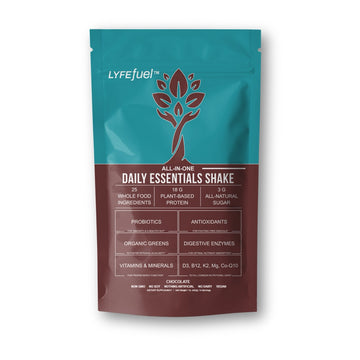
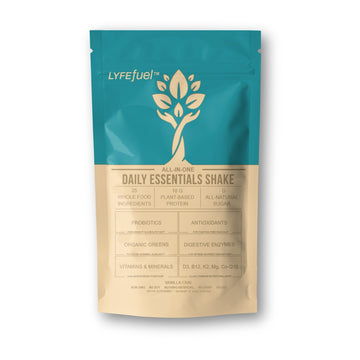
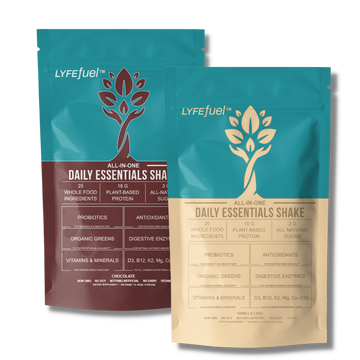
LyfeFuel Essentials isn’t just another shake with good macros. It’s designed with long-term wellness in mind. What sets it apart is its foundation in whole-food nutrition—30+ superfoods, real-food vitamins, and added digestive support. Instead of just keeping you full, it helps your body absorb nutrients more effectively. For a real-world example of how nutrition drives energy and focus, check out 10 things really fit people do to stay in shape. Unlike Huel (and most meal replacement shakes) that simply check the box on macronutrients with a trace amount of micronutrients, LyfeFuel prioritizes micronutrients at functional levels that help fill the gaps of modern diets, which also saves you money on additional supplements taken separately.
Because LyfeFuel avoids artificial sweeteners and synthetic additives, it’s easier on digestion and aligns better with clean eating habits. And since the formulation focuses on nutrient density over calorie count, it supports energy, immunity, and recovery without overloading you on carbs or fillers.
If your goal is health optimization—not just hunger management—LyfeFuel is built for you. And if you're exploring this as part of a bigger transformation, don't miss 9 tips for a healthy transformation. It’s the kind of alternative to Huel that supports not just short-term convenience but long-term health outcomes.
If you're also comparing other popular brands, we’ve put together a full breakdown of LyfeFuel vs. 310 Nutrition to help you make a more informed choice.
Conclusion
Choosing a meal replacement shake isn’t just about hitting your macros—it’s about nourishing your body with the right ingredients. While Huel offers a convenient, calorie-rich solution, it’s not the only option.
For those focused on clean, whole-food-based nutrition, better digestion, and long-term health support, LyfeFuel Essentials is a strong Huel alternative to consider. Whether you’re resetting your nutrition, looking for daily balance, or replacing multivitamins and greens powders in one scoop—it’s a shake made for more than just convenience.
Ready to fuel your body with more intention? Try LyfeFuel Essentials Nutrition Shakes and experience the difference whole-food performance nutrition can make. You can also explore our full range of meal replacement shakes for more clean, nutrient-rich options personalized to your goals.
Before you order, don’t miss our breakdown of all current LyfeFuel official discount codes—from bundles to subscription savings.
Related Articles
FAQs
1. Is Huel healthy for long-term use?
Huel is designed to provide balanced macronutrients and some essential vitamins and minerals, making it a convenient option for short-term or occasional meal replacement. However, its reliance on synthetic ingredients and artificial sweeteners may not align with long-term clean eating goals. Some users also report digestive discomfort over time, which may impact overall gut health.
2. What makes LyfeFuel different from Huel?
LyfeFuel focuses on whole-food, nutrient-dense ingredients rather than just macros. While Huel delivers calories and basic nutrition, LyfeFuel is formulated to support energy, immunity, and longevity with food-based vitamins, 30+ superfoods, digestive enzymes, and natural sweeteners—without artificial additives or fillers. It's designed as a functional shake that fills nutritional gaps, not just your stomach.
3. Which is better for digestion — Huel or LyfeFuel?
LyfeFuel is generally easier to digest. It includes prebiotics, digestive enzymes, and natural ingredients that support gut health without synthetic fibers or artificial sweeteners. Huel, while fiber-rich, can cause bloating or discomfort for some users due to ingredients like sucralose and isolated fibers.
4. Does LyfeFuel provide all essential nutrients like Huel?
Yes, but with a science-based approach. LyfeFuel provides therapeutic levels of 27+ essential vitamins and minerals, like D3+K2, methylated B12, and magnesium — unlike Huel, which uses a broad form of synthetic nutrients at just 20% or less of your daily value. LyfeFuel’s comprehensive approach is a better option for filling common nutritional gaps and supporting long-term health outcomes beyond basic nourishment.
5. Can LyfeFuel fully replace a meal like Huel?
Yes—LyfeFuel Essentials is designed to replace a daily meal while delivering more than just calories. Though lower in calories than Huel per serving, it's richer in micronutrients and supports digestion, energy, and metabolic health. Many users prefer to pair it with a small whole-food snack for a complete and satisfying meal experience.
Compare More Meal Replacement Shakes
See how LyfeFuel stacks up against other popular brands:
How LyfeFuel Compares to AG1, Gruns and IM8
Greens powders and daily "foundational" formulas have taken over the category. They cover vitamins and minerals reasonably well. What almost none of them give you is protein, which is the one nutrient that decides whether a scoop is a supplement or an actual meal.
| Per serving | LyfeFuel Essentials | AG1 | Gruns | IM8 Daily Ultimate Essentials |
|---|---|---|---|---|
| Protein | 18 g (pea + organic sprouted rice) | 2 g | 0 g (gummies) | Not a protein source |
| Format | Meal you can build a day around | Greens powder | Gummies | Single-serve sachet |
| Vitamins & minerals | 27 essential nutrients | Vitamin and mineral blend | Vitamin and mineral blend | Broad nutrient blend |
| Methylated B12 | Yes (methylcobalamin) | Cyanocobalamin | Not disclosed as methylated | Yes (methylcobalamin) |
| Vitamin D3 paired with K2 | Yes | No K2 pairing | No K2 pairing | Yes (K2 as MK-7) |
| Magnesium form | Magnesium citrate | Magnesium glycinate blend | Not disclosed | Not disclosed |
| Calories | 110 | 40 | 20–50 | ~45 |
The practical difference: you can drink AG1, take Gruns and mix an IM8 sachet and still need to go find breakfast. One scoop of LyfeFuel Essentials covers the same micronutrient ground and brings 18 grams of plant protein with it, so it works as a meal instead of an add-on to one.
On nutrient forms, we use the versions your body absorbs rather than the cheapest ones on the shelf: methylcobalamin instead of cyanocobalamin B12, vitamin D3 paired with K2 so calcium goes where it should, and magnesium citrate. IM8 is credible here too. AG1 and Gruns are where the form gaps show up.
Nutrition figures reflect each brand's published supplement facts panels as of August 2026. Formulas change, so check the current label before you buy.