Triage Theory: How Micronutrients Slow Aging
Chris ManderinoAging is a natural part of life, but what if the way we eat could affect how we age? Imagine your body having to make tough decisions when nutrients are scarce, focusing on short-term survival while neglecting long-term health. This is where Dr. Bruce Ames' Triage Theory comes in. It suggests that when the body is low on essential nutrients, it prioritizes immediate needs over long-term repair.
Understanding this theory can help us make smarter choices about the food we eat and how it impacts our overall health, both now and in the future. In this article, we’ll dive into the science behind the Triage Theory, why it matters for your health, and how ensuring nutrient sufficiency can help you live a longer, healthier life.
What is Triage Theory?
The Triage Theory, developed by Dr. Bruce Ames, explains how the body manages nutrient shortages. Similar to an emergency room where doctors decide who needs immediate care, your body makes its own choices when nutrients are limited.
When vitamins and minerals are in short supply, the body gives priority to urgent tasks such as energy production and basic survival, while putting less focus on long-term functions like repairing DNA or protecting against disease.
In simpler terms, the body "triages" its available resources, choosing short-term survival over long-term health. While this might keep you going in the short run, it can lead to problems down the road, such as faster aging and a higher risk of chronic illnesses.
How Micronutrient Deficiency Triggers Triage Mode
- Prioritization of Immediate Needs: When micronutrients are low, the body prioritizes short-term survival functions over long-term health processes like DNA repair and cell maintenance.
- Impact on DNA Repair: Deficiencies in vitamins like B12, D, and folate impair the body's ability to repair DNA damage, leading to accelerated aging and a higher risk of disease development.
- Increased Risk of Chronic Diseases: Magnesium deficiency has been linked to cardiovascular disease, diabetes, and other chronic health conditions due to its role in essential biochemical reactions.
- Cumulative Damage: Even mild, long-term deficiencies may not show symptoms right away, but over time the accumulated damage contributes to faster aging and increased disease risk.
- Invisible Impact: The body can survive on limited nutrients for a time, masking the true impact of deficiencies until severe health issues appear.
The Long-Term Impact of Nutrient Deficiency
The effects of nutrient deficiencies aren’t always obvious right away, but over time, they can seriously affect your long-term health. When essential nutrients are consistently in short supply, the body’s focus on short-term survival can impair vital processes that keep us healthy.
Without enough vitamins or minerals to repair cells, the immune system weakens and cells age faster. This can lead to joint pain, brittle bones, and chronic conditions such as heart disease, diabetes, and certain cancers.
Mild deficiencies may not cause immediate symptoms, but their cumulative effects can lead to major health challenges as we age.
Scientific Evidence Behind the Triage Theory
Dr. Bruce Ames' Triage Theory is supported by years of research showing how micronutrient deficiencies impact long-term health. Even slight deficiencies can accelerate aging and contribute to disease development.
Vitamins B12, D, and folate are essential for DNA repair, while magnesium plays a role in over 300 biochemical reactions. Deficiencies in these nutrients are linked to cardiovascular disease and diabetes.
Because deficiencies often don’t show immediate symptoms, the damage remains hidden until serious health problems develop.
Modern Diets & Hidden Deficiencies
- Processed and fast foods are high in calories but low in nutrients.
- Refined grains, sugars, and unhealthy fats replace nutrient-dense foods.
- Soil depletion and food processing reduce vitamin and mineral content.
- Hidden deficiencies weaken long-term repair and accelerate aging.
How to Avoid Triage Mode
- Focus on nutrient-dense foods: fruits, vegetables, whole grains, nuts, and seeds.
- Incorporate magnesium-rich foods: leafy greens like spinach and kale.
- Include antioxidant-rich foods: berries and colorful vegetables.
- Prioritize plant-based proteins: beans, lentils, quinoa.
- Consider supplements: vitamin D, omega-3s, and magnesium if needed.
- Maintain a balanced diet: to support long-term repair and vitality.
How LyfeFuel Prioritizes Plant-Based Nutrition for Long-Term Health
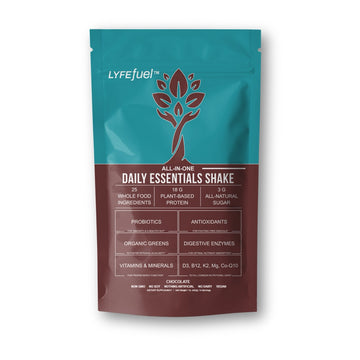
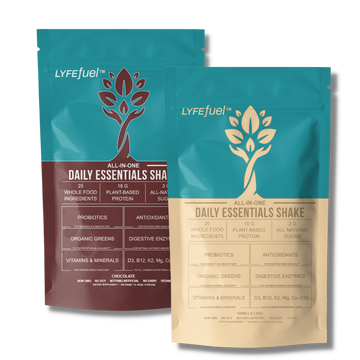
LyfeFuel focuses on whole-food, plant-based nutrition to support both immediate energy and long-term health. Its products are designed to fill nutrient gaps with clean, nutrient-dense ingredients.
By combining functional foods with daily consistency, LyfeFuel supports better health outcomes and long-term wellness.


Conclusion
The Triage Theory shows how nutrient shortages push the body toward survival instead of repair. Prioritizing nutrient-dense foods and quality supplementation helps slow aging and reduce chronic disease risk. Investing in nutrition today supports a healthier future.
Related Articles
FAQs
- What is the Triage Theory in nutrition?
- How do nutrient deficiencies affect aging?
- Which nutrients are most important for preventing nutrient triage?
- Why don’t nutrient deficiencies show symptoms right away?
- How does LyfeFuel help prevent nutrient deficiencies?