Prebiotics vs Probiotics: Why You Need Both
Chris ManderinoA healthy gut is the foundation of overall wellness. From boosting immunity to improving mood, your digestive system plays a vital role in your well-being. To understand how your gut impacts more than just digestion, explore how the gut microbiome affects metabolism and its influence on overall health.
At the heart of a thriving gut are two key players: prebiotics and probiotics. While both are essential for gut health, they serve distinct purposes and work together to create a balanced digestive system.
In this article, we’ll dive into what prebiotics and probiotics are, their unique benefits, and how you can incorporate them into your daily routine for optimal gut health.
What Are Prebiotics?
Prebiotics are non-digestible fibers and compounds that act as food for the beneficial bacteria in your gut. By nourishing these bacteria, prebiotics help maintain a balanced gut microbiome. Additionally, incorporating other functional ingredients like adaptogenic mushrooms can further support overall health and wellness.
Sources of Prebiotics:
- Bananas
- Baobab
- Acacia Fiber
- Onions
- Garlic
- Asparagus
Prebiotics promote the growth of probiotics, ensuring your gut flora stays healthy and active.
What Are Probiotics?
Probiotics are live microorganisms, often referred to as "good bacteria," that reside in your gut. They help maintain a healthy microbial balance and combat harmful bacteria.
Sources of Probiotics:
- Yogurt
- Kimchi
- Sauerkraut
- Kefir
- Miso
- Fermented Foods
Probiotics directly contribute to gut health by replenishing beneficial bacteria and supporting digestive and immune functions.
The Difference Between Prebiotics and Probiotics
Imagine a garden: prebiotics are the fertilizer, enriching the soil, while probiotics are the seeds that grow into healthy plants. The two work in harmony—without rich soil, seeds can’t thrive, and without seeds, the soil’s potential remains unrealized.
Prebiotics provide essential nutrients that nourish the beneficial bacteria already present in your gut. By creating an environment conducive to their growth, prebiotics help maintain a balanced and thriving gut microbiome, which is crucial for overall digestive health.
Probiotics, on the other hand, introduce new beneficial bacteria into your gut. These live microorganisms work to diversify and strengthen your gut flora, directly contributing to improved balance and enhanced overall health. Together, prebiotics and probiotics play complementary roles in supporting a healthy digestive system.
Health Benefits of Prebiotics vs. Probiotics
Prebiotics and probiotics are both essential for gut health but serve different purposes. Prebiotics nourish the good bacteria already in your gut, while probiotics introduce new beneficial strains. Together, they enhance digestion, boost immunity, and support overall well-being.
| Benefits | Prebiotics | Probiotics |
| Supports Digestion | Improves nutrient absorption and gut lining integrity | Balances gut microbiome and reduces bloating |
| Boosts Immunity | Creates an environment for good bacteria to thrive | Crowds out harmful bacteria and supports immune defenses |
| Enhances Overall Health | Supports mental health and metabolism | Contributes to reduced allergies, inflammation, and better mood |
Using both together ensures a balanced and thriving gut ecosystem for optimal health.
How Prebiotics and Probiotics Work Together for Gut Health
Prebiotics and probiotics work hand-in-hand to support a healthy gut. Prebiotics provide the nourishment that probiotics, or beneficial bacteria, need to thrive. Together, they create a synergistic effect known as synbiotics, enhancing digestion, boosting immunity, and promoting overall wellness.
For example, pairing yogurt (a probiotic) with a banana (a prebiotic) creates a synbiotic snack. The yogurt adds healthy bacteria to your gut, while the banana fuels their growth and activity. This combination ensures that probiotics remain effective and can multiply, amplifying their benefits.
Using both prebiotics and probiotics together strengthens your gut health more effectively than using either alone, creating a balanced and thriving digestive system.
How to Incorporate Prebiotics and Probiotics Into Daily Life
Incorporating prebiotics and probiotics into your daily routine can be simple and enjoyable. By making small changes to your diet and habits, you can promote better gut health and overall well-being.
For more practical advice, check out these tips for healthy transformation to enhance your lifestyle.
- Start Your Day Right: Add a banana (prebiotic) to your yogurt or kefir (probiotic) for a gut-friendly breakfast.
- Snacks with Benefits: Pair a handful of almonds (prebiotic) with a probiotic-rich drink like kombucha.
- Enhance Your Meals: Include fermented foods like kimchi, sauerkraut, or miso in your lunch or dinner.
- Boost Your Smoothies: Blend spinach or oats (prebiotics) with a probiotic like yogurt or kefir for a nourishing smoothie.
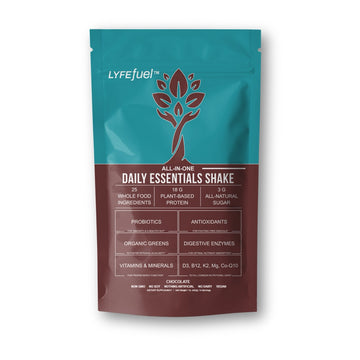
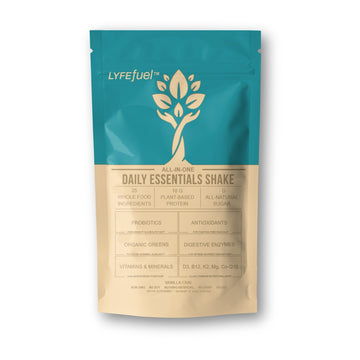
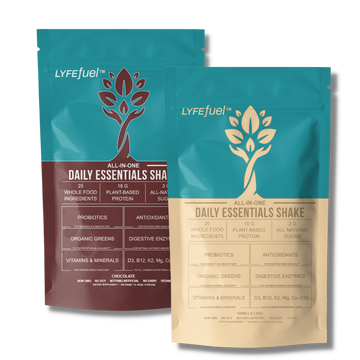
- Make It Convenient: Use LyfeFuel’s Essentials Shake, which combines prebiotics and probiotics in one easy-to-use product, ensuring you get both daily.
By integrating these habits into your routine, you can effortlessly support your gut health and enjoy the benefits of a balanced digestive system. Whether through diet or supplements, consistency is key to optimizing your gut microbiome.
What to Look for in Prebiotics and Probiotics Supplements
When choosing a supplement, look for clinically proven strains like Lactobacillus or Bifidobacterium for effective gut support. A high CFU count (5-10 billion or more) ensures enough live bacteria reach your gut. Opt for synbiotic formulations that pair prebiotics with probiotics for maximum impact.
Ensure the supplement has stable packaging to keep bacteria viable and avoid products with unnecessary fillers or artificial additives. Clear labeling and allergen-free options add to quality and reliability, helping you choose a safe and effective product for gut health.
Since many gut health supplements also include vitamins and minerals, it’s important to know the difference between natural and synthetic forms, especially when absorption and long-term health are at stake. Here's a breakdown of natural vs synthetic vitamins to help you make more informed choices.
LyfeFuel’s Essentials Shake combines prebiotics and probiotics in a single, easy-to-use product. Its clinically supported ingredients promote digestion, boost immunity, and support overall health, making it a reliable choice for optimizing gut health.
Conclusion
Prebiotics and probiotics are essential for maintaining a healthy gut, working together to improve digestion, boost immunity, and enhance overall wellness. While prebiotics nourish existing gut bacteria, probiotics introduce beneficial strains to balance and strengthen the microbiome.
LyfeFuel’s Essentials Meal Replacement Shakes provides a convenient, science-backed solution by combining both prebiotics and probiotics in one product. It supports optimal gut health while fitting seamlessly into your daily routine. Start prioritizing your gut health today with LyfeFuel’s powerful, all-in-one supplement.
Related Articles
FAQs
Are prebiotics and probiotics the same?
No, prebiotics and probiotics serve different roles. Prebiotics are non-digestible fibers that feed the beneficial bacteria in your gut, while probiotics are live bacteria that help balance your gut microbiome. Together, they create a synergistic relationship that supports optimal digestive health.
Can you take prebiotics and probiotics together?
Yes, and it’s often recommended. Taking prebiotics and probiotics together, sometimes referred to as synbiotics, ensures that the beneficial bacteria introduced by probiotics have the nourishment they need to thrive. This combination enhances their effectiveness, promoting a healthier gut environment.
When is the best time to take prebiotics and probiotics?
Prebiotics and probiotics can be taken at any time, but it’s often beneficial to consume them with a meal. This helps protect probiotics from stomach acid and allows prebiotics to mix with food, promoting a more stable environment for beneficial bacteria to flourish.