What Is the Mediterranean Diet? Benefits & Food List
Chris ManderinoThe Mediterranean diet is consistently ranked as one of the healthiest ways to eat. Rooted in the traditional cuisines of Greece, Italy, and other coastal regions, it focuses on whole, minimally processed foods like fruits, vegetables, whole grains, healthy fats, and lean proteins.
Celebrated for its heart and brain benefits, it’s a flexible, flavorful approach to eating that supports long-term health and sustainable habits without the need for strict rules or deprivation.
What Is the Mediterranean Diet?
The Mediterranean diet is based on the traditional eating patterns of countries bordering the Mediterranean Sea most notably Greece, Italy, and Spain. It’s not a rigid set of rules, but a flexible approach to food that emphasizes balance, variety, and enjoyment.
At its core, the Mediterranean diet prioritizes:
- Fresh vegetables and fruits
- Whole grains, legumes, and nuts
- Olive oil as the primary source of fat
- Moderate portions of fish, seafood, and fermented dairy
- Limited intake of red meat, added sugar, and highly processed foods
But it’s not just about what’s on your plate. The Mediterranean lifestyle also encourages regular physical activity, shared meals with others, and a slower, more mindful approach to eating factors that play a powerful role in overall well-being.
This diet is often praised not only for its health benefits but also for its flexibility. Whether you’re fully plant-based or simply trying to eat cleaner, the Mediterranean framework offers plenty of room to adapt without feeling restricted.
Mediterranean Diet Food List
One of the most approachable aspects of the Mediterranean diet is its focus on what to include, not just what to avoid. It’s centered around colorful, nutrient-dense, minimally processed foods that nourish the body and support long-term health.
Foods to Eat Often
- Vegetables: Leafy greens (spinach, kale), tomatoes, zucchini, cucumbers, eggplant, onions, and peppers
- Fruits: Berries, oranges, apples, grapes, figs, and pomegranates
- Whole Grains: Quinoa, farro, brown rice, oats, barley, and whole wheat bread or pasta
- Legumes: Lentils, chickpeas, black beans, white beans, and peas
- Nuts & Seeds: Almonds, walnuts, pistachios, flaxseeds, and sunflower seeds
- Healthy Fats: Extra virgin olive oil, avocados, and olives
- Herbs & Spices: Garlic, basil, oregano, mint, parsley, turmeric, cinnamon
- Fish & Seafood: Salmon, sardines, mackerel, and shellfish (2–3 times per week)
- Dairy (Optional): Plain Greek yogurt and small amounts of aged cheese
Foods to Limit or Avoid
- Red Meat: Eat occasionally and in small portions
- Processed Meats: Sausage, bacon, deli meats
- Refined Grains: White bread, white rice, pastries
- Added Sugars: Sweets, soda, sweetened yogurts
- Ultra-Processed Foods: Packaged snacks, fried foods, fast food
This food list can be easily adapted to different lifestyles including plant-based or vegetarian by replacing seafood or dairy with high-quality plant-based proteins.
Top Health Benefits of the Mediterranean Diet
The Mediterranean diet isn’t just popular, it’s one of the most scientifically studied eating patterns in the world. Backed by decades of research, this lifestyle is associated with a wide range of health benefits that go far beyond weight loss.
1. Supports Heart Health
Rich in omega-3s, fiber, and antioxidants, the Mediterranean diet helps lower LDL (bad) cholesterol, reduce blood pressure, and support overall cardiovascular function. It's consistently linked to a lower risk of heart disease and stroke.
2. Promotes Brain Function
Nutrients like olive oil, nuts, leafy greens, and fatty fish support cognitive health and may reduce the risk of age-related decline and diseases like Alzheimer’s.
3. Encourages Healthy Weight Balance
Thanks to its emphasis on fiber-rich foods and healthy fats, this diet promotes satiety and helps regulate appetite without the need for calorie counting.
4. Reduces Inflammation
Whole foods like fruits, vegetables, herbs, and olive oil provide antioxidants and phytonutrients that help lower chronic inflammation—key in preventing metabolic and autoimmune diseases.
5. Stabilizes Blood Sugar
The Mediterranean diet includes complex carbs from whole grains and legumes, which digest slowly and help maintain steady energy and blood sugar levels throughout the day.
6. Supports Longevity
People who follow Mediterranean-style eating patterns tend to live longer, healthier lives. The diet’s combination of nutrient-dense foods and lifestyle habits has been linked to increased lifespan and reduced disease risk.
How to Start a Mediterranean Diet (Beginner Tips)
You don’t need to move to the coast of Greece to enjoy the benefits of the Mediterranean lifestyle. With a few intentional shifts, you can begin adopting this way of eating starting right at your next meal.
1. Focus on What to Add, Not Just Remove
Start by filling your plate with colorful vegetables, fruits, whole grains, and healthy fats like olive oil or avocado. Let the good crowd out the less nourishing.
2. Make Simple Ingredient Swaps
Use olive oil instead of butter or vegetable oil
Snack on nuts and fruit instead of chips or cookies
Choose whole-grain bread, pasta, and rice instead of refined versions
3. Cook at Home More Often
Even basic Mediterranean meals like lentil soup, veggie stir-fries, or grain bowls with hummus and roasted vegetables can be prepped in under 30 minutes. Herbs, citrus, and olive oil go a long way in flavor.
4. Eat Mindfully & Slowly
Savor your meals, eat with others when possible, and avoid multitasking while eating. These habits support better digestion, portion control, and satisfaction.
5. Keep Nutrition Convenient
Life gets busy, and not every meal has to be perfect. Keep Mediterranean friendly pantry staples like canned beans, whole grains, nuts, and frozen vegetables on hand so you can build a balanced meal quickly when time is tight.
Common Misconceptions About the Mediterranean Diet
Despite its simplicity, the Mediterranean diet is often misunderstood. Here are a few common myths and the facts behind them.
Myth 1: It’s just pasta, bread, and olive oil.
While pasta and olive oil are part of the diet, they’re balanced by an abundance of vegetables, legumes, nuts, and seafood. It’s about how you eat these foods—not overloading on carbs.
Myth 2: You need to eat fish every day.
Fish and seafood are encouraged a few times a week, but they’re not required daily. You can easily build plant-based or vegetarian meals using legumes, whole grains, and healthy fats.
Myth 3: Wine is a must.
While moderate red wine is traditionally part of Mediterranean meals, it’s entirely optional. The health benefits of this diet come from the food, not the alcohol.
Myth 4: It’s expensive to follow.
Staples like beans, grains, seasonal produce, and olive oil are affordable and widely available. You don’t need specialty products to eat Mediterranean style.
Myth 5: It’s a weight loss diet.
The Mediterranean diet isn’t designed for quick fixes. It supports long-term health, stable energy, and better eating habits. Any weight loss is a natural byproduct of those changes.
Conclusion
The Mediterranean diet is a balanced, sustainable way to eat—rich in whole foods and full of health benefits. Even small changes can make a big impact over time.
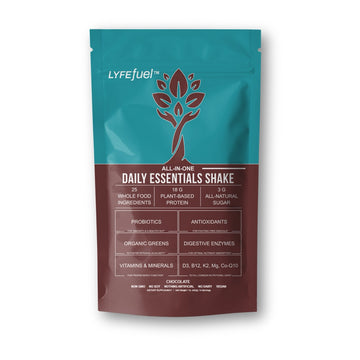
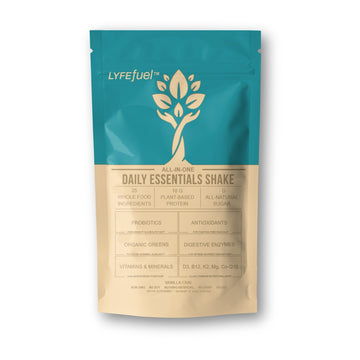
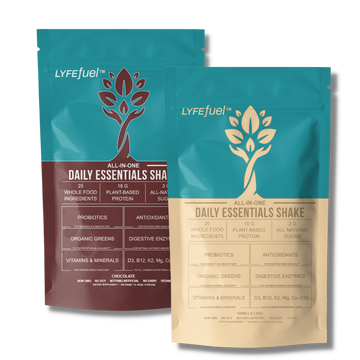
For extra support on busy days, a clean option like the LyfeFuel Essentials Shake can help you stay on track without compromising nutrition.
Related Articles
Frequently Asked Questions
What is the Mediterranean diet in simple terms?
The Mediterranean diet is a flexible, sustainable way of eating based on the traditional cuisines of countries like Greece and Italy, focusing on whole foods like vegetables, fruits, whole grains, and healthy fats. It emphasizes balance and enjoyment rather than strict rules, making it easy to incorporate nutrient-dense staples like LyfeFuel’s Essentials Shake to fill any potential gaps in your daily intake.
Is the Mediterranean diet good for weight loss?
Yes, the Mediterranean diet promotes healthy weight balance by prioritizing fiber-rich foods and healthy fats that keep you full and satisfied without the need for restrictive calorie counting. Because it focuses on nutrient-dense, whole-food nutrition, it supports long-term weight management rather than temporary fixes.
Can I follow the Mediterranean diet as a vegetarian or vegan?
Absolutely, the Mediterranean diet is highly adaptable and can easily be followed as a vegetarian or vegan by replacing fish and dairy with high-quality plant-based proteins. LyfeFuel’s Essentials Shake is a perfect addition for those on a plant-based Mediterranean path, as it provides 18g of plant protein and essential vitamins from whole-food sources.
Are snacks allowed on the Mediterranean diet?
Yes, snacks are encouraged on the Mediterranean diet, provided they consist of whole, minimally processed foods like nuts, seeds, fresh fruit, or vegetables. Choosing nutrient-dense snacks helps maintain steady energy levels throughout the day, keeping you away from ultra-processed packaged options.
Do I need to drink wine to follow this diet?
No, you do not need to drink wine to follow the Mediterranean diet; the core of the lifestyle is centered on nutrient-dense whole foods, healthy fats, and mindful eating habits. The diet is about overall well-being, so focusing on hydration and high-quality nutrition—like the vitamins and minerals found in LyfeFuel—is far more important than alcohol consumption.