Soylent Nutrition Facts: What's Really Inside?
Chris ManderinoMeal replacement shakes have become a go-to for busy people who want convenience without skipping nutrition. Among the most well-known is Soylent, popular for its tech-focused marketing and ready-to-drink format. But when it comes to long-term health, it’s important to look beyond the label (and the hype).
Understanding Soylent’s nutrition facts, both Ready-to-Drink (RTD) and Powder, can help you decide if it’s the right fit for your goals, or if a might provide more nutrient-dense, whole-food-based ingredients for long-term wellness.
Soylent Nutrition Facts Breakdown
Understanding Soylent nutrition facts, including both their Ready-to-Drink shakes and Powder formula, can help you decide if it’s the right fit for your health goals.
Soylent Nutrition Facts: Ready-to-Drink (RTD)
A single 14 fl oz (414 mL) bottle of Soylent Original RTD provides:
- Calories: 400 kcal
- Protein: 20 g (from soy protein isolate)
- Fat: 24 g (2.5 g saturated; mostly from sunflower/canola oil)
- Carbohydrates: 37 g (3 g fiber, 1 g added sugar)
- Vitamins & Minerals: ~20% DV of most essential vitamins and minerals (fortified, synthetic sources)
On paper, the RTD looks like a complete meal, covering about one-fifth of daily needs. But ingredient quality and sourcing matter as much as the numbers.
Soylent Nutrition Facts: Powder
Soylent also offers a Powder formulation (v1.9) that can be mixed with water. One 90 g serving contains:
- Calories: ~400 kcal
- Protein: 20 g (from soy protein isolate)
- Fat: 19 g (≈1.5 g saturated; from high-oleic sunflower/canola oil)
- Carbohydrates: 42 g (6 g fiber, ~16 g sugars)
- Vitamins & Minerals: ~20% DV of most essential nutrients
Soylent Powder Ingredient List:
Soy protein isolate, high-oleic sunflower and canola oils, maltodextrin, isomaltulose, soluble corn fiber, soy lecithin, gellan gum, cellulose, natural and artificial flavors, sucralose, and a vitamin/mineral premix (including vitamin A palmitate, ascorbic acid, vitamin D, vitamin E acetate, B-vitamins, iron, zinc, magnesium, selenium, etc.).
This formulation shares the same core profile as the RTD — heavily reliant on processed ingredients and synthetic fortification.
Where Soylent Falls Short
Soylent meets the baseline for calories, protein, and vitamins. But a deeper look reveals several concerns:
1. Reliance on Soy Protein Isolate
Soy protein isolate is highly processed, often made using chemical extraction methods. While technically “complete,” it’s stripped of the natural cofactors found in whole-food protein sources. It can also cause digestive issues for sensitive individuals and raises concerns about phytoestrogens and allergens.
2. Seed Oils as the Primary Fat Source
Both the RTD and Powder rely on canola and sunflower oil. These are high in omega-6 fatty acids, which, when consumed in excess without balancing omega-3s, may contribute to systemic inflammation.
3. Artificial Sweeteners (Sucralose, Allulose)
Soylent Powder uses sucralose, while RTD formulations have also included allulose. While low in calories, these sweeteners have been linked to gut microbiome disruption and digestive discomfort in some users.
4. Additives & Fillers
Ingredients like gellan gum, cellulose, and emulsifiers help with texture and stability but don’t add nutritional value. For some people, they can trigger bloating or gut irritation.
5. Limited Nutrient Density Beyond the Label
Soylent provides synthetic vitamins and minerals, but none of the phytonutrients, antioxidants, or plant compounds naturally present in whole foods. There’s no inclusion of greens, berries, or digestive support ingredients.
LyfeFuel vs. Soylent – Nutrition Comparison
When you compare the nutrition facts side-by-side, the differences between Soylent and LyfeFuel go beyond calories and macronutrients.
| Category | Soylent RTD (414 mL) | Soylent Powder (52 g, 1 scoop) | LyfeFuel Essentials Shake (per serving) |
|---|---|---|---|
| Calories | 400 kcal | 200 kcal | 110 kcal |
| Protein | 20 g (soy isolate) | 30 g (soy isolate) | 18 g (pea + organic rice protein) |
| Fat | 24 g (2.5 g sat) | 5 g (4 g sat) | 3 g |
| Carbohydrates | 37 g (3 g fiber, 1 g added sugar) | 7 g (2 g fiber, 0 g sugar) | 6 g (3 g fiber, 0 g added sugar) |
| Sweeteners | Allulose + Sucralose | Sucralose | Organic Coconut Sugar + Stevia |
| Oils/fats | Seed Oils (sunflower/canola) | Seed Oils (sunflower/canola) | No Seed Oils |
| Vitamins & Minerals | ~20% DV (synthetic) | ~25% DV (synthetic, across 20+ nutrients) | 27+ essentials from whole-food & natural sources |
| Phytonutrients | None | None | Greens, berries, flaxseed, spirulina, pomegranate |
| Digestive Support | None | None | Probiotics + digestive enzymes |
Note: A single scoop of Soylent Powder is only 200 calories, meaning it doesn’t equate to a full “meal replacement” like the RTD bottle. To match RTD calorie levels, most users double the serving, this also doubles the amount of soy protein isolate, seed oils, and artificial sweeteners consumed.
Why Ingredient Quality Matters More Than Just Numbers
Nutrition facts tell you what is in a product, but they don’t always show where those nutrients come from or how well your body can use them. Two shakes might have similar amounts of protein, vitamins, and minerals on paper, yet deliver very different results in practice.
Whole-food-sourced nutrients like those in LyfeFuel, come packaged with natural co-factors, antioxidants, and plant compounds that aid absorption and provide added health benefits. In contrast, synthetic fortification (common in Soylent) can meet basic requirements but lacks the complexity and diversity of nutrients found in whole foods.
The same is true for added superfoods, probiotics, and digestive enzymes. These ingredients support gut health, improve nutrient uptake, and contribute to overall wellness, benefits that simply aren’t reflected in the calorie, protein, or vitamin counts alone.
When evaluating a meal replacement, it’s worth looking beyond the numbers to consider the quality, sourcing, and functionality of what’s inside. That’s often where the real nutritional advantage lies.
The LyfeFuel Difference
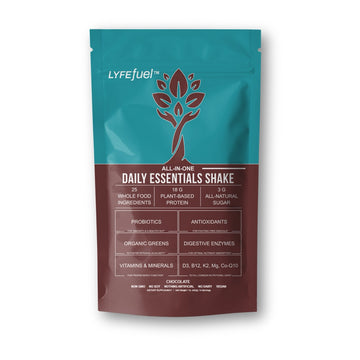
LyfeFuel’s Essentials Shake is built on the idea that a meal replacement should do more than meet minimum daily requirements, it should actively support your overall health and long-term goals.
Key advantages:
- Whole-Food Nutrition – Vitamins and minerals sourced from plants, not synthetic additives.
- Superfood Boost – Greens, berries, flaxseed, spirulina, and pomegranate for antioxidants and phytonutrients.
- Digestive Support – Probiotics and enzymes to improve gut health and nutrient absorption.
- Balanced Macros for Real Life – 18g protein, 3g fiber, and just 110 calories per serving.
- No Added Sugar – Naturally sweetened for a cleaner, more balanced taste.
By focusing on nutrient density, ingredient quality, and functional benefits, LyfeFuel delivers a more complete solution for meal replacement, one designed for both convenience and lasting wellness.
Conclusion
The Soylent nutrition facts show it covers basic nutritional needs, but numbers alone don’t tell the whole story. Ingredient quality, nutrient sourcing, and added functional benefits matter just as much. LyfeFuel Essentials Shake delivers whole-food-based nutrition, superfoods, and digestive support, offering more than the minimum.
If you’re comparing other popular meal replacement brands, our Shakeology Alternative research breaks down how LyfeFuel stacks up for both nutrition and value
Related Articles
Frequently Asked Questions
How does the calorie content of Soylent compare to LyfeFuel?
Soylent RTD bottles contain 400 calories, while LyfeFuel’s Essentials Shake is designed to be more nutrient-dense at 110 calories per serving. This allows you to customize your caloric intake based on your specific needs rather than relying on a high-calorie, pre-set meal replacement.
Which has better protein quality, Soylent or LyfeFuel?
LyfeFuel offers superior protein quality by using a blend of pea and organic rice protein, avoiding the highly processed soy protein isolate found in Soylent. By choosing whole-food protein sources, LyfeFuel provides a more natural profile without the potential digestive issues or chemical extraction methods associated with soy isolate.
What’s the difference in vitamins and minerals between Soylent and LyfeFuel?
While Soylent relies on synthetic fortification to provide about 20-25% of your daily value for vitamins and minerals, LyfeFuel sources its 27+ essential nutrients from whole foods. This whole-food approach ensures you receive natural co-factors and plant compounds that can aid in better nutrient absorption compared to synthetic alternatives.
Does either shake include superfoods or added health benefits?
LyfeFuel includes a comprehensive blend of superfoods, greens, berries, flaxseed, and spirulina, alongside probiotics and digestive enzymes to support gut health. In contrast, Soylent focuses primarily on macronutrients and synthetic fortification, lacking these additional plant-based compounds and digestive support ingredients.
Compare More Meal Replacement Shakes
See how LyfeFuel stacks up against other popular brands: