Top 10 Best Sugar Substitutes for a Healthier Sweet Life
Chris ManderinoMost people don’t realize how much sugar sneaks into their daily routine — a splash in the coffee here, a quick snack there — until the consequences start adding up. Beyond obvious weight gain, overconsumption of sugar has been linked to serious health issues like type 2 diabetes, heart disease, chronic inflammation, and even cognitive decline over time.
As awareness of these risks grows, more people are seeking out healthier, more sustainable substitutes for sugar — options that allow them to satisfy their sweet tooth without sacrificing their long-term health. If you're wondering what is the best substitute for sugar to use in your daily life, you're in the right place. This guide will walk you through the best sugar substitutes, offering insight into both natural sweeteners and low-glycemic options perfect for different needs like baking, keto diets, and even sugar substitutes for diabetics.
If you’ve been noticing symptoms like stubborn weight gain or energy dips, it might also be worth checking for signs of a slow metabolism, which sugar consumption can often exacerbate.
What Makes a Sugar Substitute the “Best”?
Choosing a sugar substitute isn’t just about finding something sweet. A truly best sugar alternative strikes the right balance between taste, impact on blood sugar, calorie content, digestive health, and how natural or processed it is. Some options spike your blood sugar just as much as regular sugar, while others can be hard on digestion or leave a strange aftertaste.
If you're searching for healthy sugar alternatives, focus on substitutes that:
- Taste good enough to replace sugar without feeling like a downgrade.
- Keep blood sugar levels stable.
- Be low in calories or at least offer nutritional benefits.
- Support gut health instead of disrupting it.
- Come from natural sources whenever possible.
Ultimately, the best sugar substitute is the one that fits your goals, your body’s needs, and your taste buds — because if you don't enjoy it, you won’t stick with it.
The Top 10 Best Sugar Substitutes
After reviewing the science, taste profiles, and practical use cases, here’s a closer look at the best natural sugar substitutes and sugar-free options that deliver real satisfaction.
You’ll notice many of these options also align with nutrient-dense eating — important when trying to avoid diets that are missing essential vitamins and minerals.
1. Thaumatin
Thaumatin is a natural protein sweetener extracted from the katemfe fruit found in West Africa. It's intensely sweet — up to 3,000 times sweeter than sugar — yet contains no calories and has no significant impact on blood glucose. Thaumatin’s flavor includes a mild licorice aftertaste, which can be polarizing, but its ability to mask bitter flavors makes it valuable in many products. It's ideal for sweetening smoothies, supplements, and beverages when you're looking for a zero-calorie, gut-friendly option.
2. Monk Fruit
Monk fruit, native to Southeast Asia, has gained massive popularity for good reason. The fruit’s extract is rich in mogrosides, compounds that provide intense sweetness without calories or blood sugar spikes. Monk fruit tastes clean and sweet without the bitterness that sometimes plagues stevia. It works beautifully in coffee, tea, baking, and even savory recipes where a touch of sweetness is needed.
3. Medjool Dates
Medjool dates are a whole-food sweetener packed with fiber, potassium, magnesium, and antioxidants. While they do contain natural sugars, the fiber content helps slow glucose absorption, making them a more balanced option. Their rich, caramel-like flavor makes them ideal for smoothies, energy balls, baking, or creating date pastes to sweeten sauces and dressings naturally.
4. Raw Honey
Unlike processed honey, raw honey retains beneficial antioxidants, enzymes, and nutrients. While it does contain sugar and calories, it raises blood sugar more slowly than refined sugars and offers additional health benefits. Its rich, floral flavor makes it ideal for drizzling over oatmeal, blending into smoothies, or using in homemade salad dressings. When used mindfully, raw honey can be a nourishing, natural sweetener.
5. Maple Syrup
Pure maple syrup isn’t just delicious — it also provides antioxidants and minerals like manganese and zinc. While it’s still high in sugar and calories, its lower glycemic index and nutrient profile make it a smarter choice than refined sugar when used in moderation. Its bold, earthy flavor pairs beautifully with pancakes, glazes, and roasted vegetables.
6. Yacon Syrup
Extracted from the roots of the yacon plant native to South America, yacon syrup is rich in prebiotic fibers that nourish beneficial gut bacteria. It’s much lower in calories than honey or maple syrup and has a very low glycemic index. Its thick, molasses-like consistency and mild sweetness make it best suited for low-heat recipes like smoothies, yogurt, or raw desserts.
4. Organic Coconut Sugar
Made from the sap of coconut palm flowers, coconut sugar offers a lower glycemic index compared to table sugar and contains small amounts of minerals like iron and potassium. Its mild caramel flavor closely mimics brown sugar, making it a favorite for baking cookies, cakes, and sauces. Though not calorie-free, coconut sugar is far less processed than white sugar, making it a gentler choice for everyday use.
8. Stevia
Stevia comes from the leaves of the Stevia rebaudiana plant and is up to 300 times sweeter than sugar. It’s calorie-free, carb-free, and doesn’t raise blood sugar. However, some people find its taste slightly bitter or metallic. Refined or blended forms often reduce the aftertaste and make it better suited for drinks, yogurt, and oatmeal.
9. Xylitol
Xylitol is a sugar alcohol naturally found in some fruits and vegetables. It provides sweetness with 40% fewer calories than sugar and doesn’t spike insulin. It's also known to support dental health, which is why it's found in many sugar-free gums and mints. However, it can cause digestive discomfort in large quantities and should never be given to pets.
10. Agave Syrup
Often marketed as a natural sweetener, agave syrup is derived from the agave plant and is high in fructose — which, in excess, can burden the liver and promote insulin resistance. That said, it has a lower glycemic index and a mild flavor, making it a suitable option in small amounts for recipes that need subtle sweetness.
Worst Sugar Alternatives (to Avoid)
Not all sugar substitutes are created equal. Some sweeteners may look harmless on the label but are either ultra-processed or pose long-term health concerns. Here are four to steer clear of:
1. Sucralose (you’ll recognize it as Splenda on most labels)
Scralose is a zero-calorie sweetener that’s chemically altered from regular sugar. It’s widely used in diet sodas, protein bars, and “sugar-free” desserts. While it technically doesn’t raise blood sugar, research suggests it may disrupt gut bacteria and impact insulin response — especially when used in larger amounts. And when heated, it can actually break down into potentially harmful compounds, making it a poor choice for baking or cooking.
2. Aspartame
Another artificial sweetener you’ll find in sugar-free gum and soft drinks, has been controversial for years. It’s about 200 times sweeter than sugar and has been linked anecdotally to symptoms like headaches, mood swings, and fatigue in sensitive individuals. Though it’s considered safe in small amounts by regulatory bodies, the long-term effects — especially on brain health and metabolism — still raise questions. And for those with PKU (a rare genetic disorder), aspartame isn’t an option at all.
3. High Fructose Corn Syrup (HFCS)
One of the most common added sweeteners in processed foods, from sodas and flavored yogurts to cereal bars and salad dressings. It’s cheap to produce and extremely sweet, but comes with serious downsides. HFCS has been linked to increased risks of obesity, insulin resistance, fatty liver, and other chronic metabolic issues. Unlike natural sweeteners that come with fiber or antioxidants, HFCS adds sugar and calories — and nothing else.
4. Allulose (Commercially Derived)
Often marketed as a “smart sugar” — it tastes like the real thing, doesn’t raise blood sugar, and is considered keto-friendly. While allulose does occur naturally in small amounts in fruits like figs and raisins, the version used in most commercial products is typically made from corn. That makes it a red flag for those trying to avoid processed or GMO ingredients. It’s also worth noting that in larger amounts, it can cause bloating and digestive discomfort — especially if you’re new to it.
In short, just because something is labeled “sugar-free” doesn’t mean it’s a healthier choice. If your goal is to support your metabolism, gut health, and energy levels, your best bet is to stick with natural, nutrient-rich sweeteners — and keep the ultra-processed options off your plate.
In short, while both serve as functional shakes, LyfeFuel offers a more nutrient-dense, transparent, and cost-effective solution for those focused on long-term wellness.
Best Sugar Substitute by Use Case
Not every sugar substitute works equally well in every situation. Some perform better in baking, others are ideal for sweetening coffee, and some are specifically suited for managing blood sugar.
Here’s a quick guide to help you choose the right substitute for the right need:
| Use Case | Recommended Substitutes | Why It Works |
|---|---|---|
| Baking | Coconut Sugar, Date Paste, Monk Fruit + Erythritol | Offers bulk, browning, and flavor without the insulin spike. |
| Drinks (Coffee, Tea, Smoothies) | Stevia, Monk Fruit, Raw Honey | Dissolves well, tastes clean, and complements beverages without overpowering. |
| For Diabeticsr | Thaumatin, Yacon Syrup, Monk Fruit | No glycemic impact, gentle on digestion. |
| Keto & Low-Carb | Stevia, Xylitol, Monk Fruit | Stevia, Xylitol, Monk Fruit |
| Weight Loss | Thaumatin, Yacon Syrup, Stevia | Virtually no calories, satisfying sweetness with minimal impact. |
| Everyday Use | Coconut Sugar, Maple Syrup (moderation), Dates | Natural, less processed options with additional minerals for balanced lifestyles. |
How to Make the Switch from Sugar
Switching to natural sugar substitutes doesn’t have to be overwhelming. Small, consistent changes make all the difference.
Here’s how to make the transition smoother:
- Start Small: Replace half the sugar in recipes with a healthier substitute like monk fruit or allulose.
- Mix Sweeteners: Blend options like monk fruit and raw honey for a more natural, satisfying taste.
- Balance Your Meals: Focus on fiber, healthy fats, and protein to naturally reduce sugar cravings.
- Reset Your Palate: Gradually, your taste buds will adjust to less intense sweetness — making healthier options genuinely satisfying.
Stay patient. With time, you'll crave less sugar, feel more energized, and enjoy a sweeter life — naturally.
Conclusion
Choosing the best sugar substitute isn’t about giving up sweetness — it’s about upgrading the way you enjoy it. Whether you lean toward monk fruit, raw honey, coconut sugar, or allulose, healthier natural sweeteners can help you satisfy your cravings without compromising your health goals.
Experiment, stay consistent, and listen to your body. Over time, your taste buds — and your energy levels — will thank you.
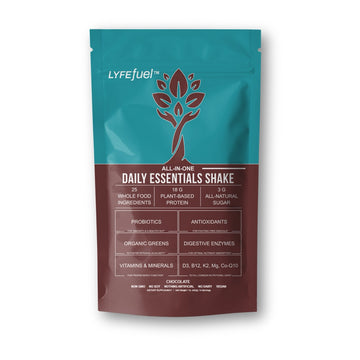
And if you're ready to make even bigger strides toward better health, fuel your day with the real-food nutrients in our Essentials Nutrition Shake — no added sugars, just everything your body needs to thrive.
Also Read:
- Ka’Chava Vs LyfeFuel: An Honest Head-to-Head Comparison
- Reasons To Choose Vegan Protein And Its Benefits For Health And Fitness
- Are Meal Replacement Bars Healthy?
- How to Lose Fat Without Losing Muscle the Right Way
- Looking for a Huel Alternative? Compare Huel vs. LyfeFuel in 2026
Related Articles
FAQs
What is the healthiest sugar substitute?
The healthiest sugar substitute depends on your personal goals, but generally, natural sweeteners like monk fruit, raw honey (in moderation), and stevia top the list. They offer sweetness with little to no blood sugar impact and often come with additional health benefits like antioxidants or gut support. If you're focused on blood sugar balance and overall wellness, monk fruit or allulose are excellent choices.
What is the best sugar substitute for diabetics?
For those managing diabetes, the best sugar substitutes are ones that have little to no effect on blood glucose levels. Top options include monk fruit, erythritol, and allulose. These natural or naturally-derived sweeteners provide sweetness without spiking insulin, making them safer and more sustainable for daily use.
Which sugar substitute tastes most like sugar?
Allulose is often considered the sugar substitute that tastes and bakes most like real sugar. It offers about 70% of sugar’s sweetness, browns and caramelizes similarly, and has no weird aftertaste. Monk fruit (especially when blended with erythritol) also comes very close to the real thing, particularly in drinks and desserts. v
Are artificial sweeteners safe?
For baking, the best sugar substitutes are allulose, monk fruit + erythritol blends, and coconut sugar (if you're okay with a slightly higher carb count). Allulose in particular behaves almost identically to sugar — browning, caramelizing, and creating that soft, chewy texture we all love in cookies and cakes.
What’s the best sugar substitute for baking?
LyfeFuel prioritizes natural, bioavailable forms of vitamins and minerals whenever possible — such as methylated B vitamins and chelated minerals for better absorption. In cases where a synthetic form is used (such as stabilized Vitamin D3), it’s carefully selected based on clinical efficacy, purity, and safety — always with your optimal health in mind.