Protein Deficiency Symptoms: Signs, Causes, and How to Fix It
Chris ManderinoProtein is the cornerstone of human physiology and one of the most essential nutrients your body needs to function properly. As the "organ of longevity," muscle tissue depends on adequate protein intake to maintain its structural integrity and metabolic function.
But what happens when you don't get enough protein? A deficiency can lead to various health issues that impact everything from muscle strength to immune function. Let's explore the evidence-based symptoms, causes, and solutions to address low protein levels.
Why Protein Is Essential for the Body
Protein serves as the building block of life, with every cell in your body depending on it for optimal function. It provides the raw materials needed for muscle protein synthesis, tissue repair, immune function, and metabolic health.
Beyond its structural role, protein influences critical physiological processes including:
- Immunity: Antibodies are specific protein structures that protect against potentially harmful pathogens
- Enzymatic activity: Thousands of crucial reactions involved in metabolism and DNA repair require protein-based enzymes
- Hormonal function: Many hormones essential for blood sugar regulation and growth are made up of binding proteins
- Cellular repair: Amino acids work continuously to repair damaged cells and build new ones
- Detoxification: The body requires adequate protein to carry out essential detoxification pathways, with glutathione (made from protein) serving as a key detoxifier
- Neurotransmission: Mood-affecting neurotransmitters like serotonin require protein-derived precursors such as tryptophan
Without adequate protein, your body struggles to build and maintain muscle, heal wounds, and generate enzymes and hormones crucial for daily functions.
In addition to physical health, insufficient protein intake can impact overall well-being. Those following a plant-based diet should ensure they consume diverse protein sources to meet their nutritional needs. Understanding the benefits of plant-based diets can help in making informed dietary choices, as explained in the discussion on plant-based diets and their protein adequacy.
Symptoms of Protein Deficiency
When your body doesn't receive sufficient protein, it begins sending measurable warning signs. Research has identified several key indicators that suggest protein deficiency:
Muscle Weakness and Loss
Scientific evidence demonstrates that inadequate protein intake directly affects muscle strength and endurance. When the body lacks dietary protein, it initiates a process called muscle protein breakdown (MPB) to liberate amino acids for essential functions. Over time, this leads to:
- Measurable muscle mass reduction
- Decreased physical performance
- Increased risk of falls and injuries
- Reduced metabolic rate
This muscle deterioration, also known as sarcopenia, is particularly noticeable in older adults and those engaged in regular physical activity.
Constant Fatigue and Low Energy
Research shows that chronic fatigue is a common effect of inadequate protein intake. Protein helps regulate blood glucose levels and sustain energy in several ways:
- Supporting balanced insulin response
- Providing amino acids for gluconeogenesis when needed
- Maintaining thyroid function for proper metabolism
Without enough protein, metabolic efficiency decreases, leading to persistent tiredness and reduced mental clarity.
The connection between nutrition and energy levels is essential to understanding how the body processes fuel efficiently and reset your metabolism.
Brittle Hair, Skin, and Nails
Clinical studies have established that protein—particularly as a component of keratin—contributes significantly to the structural integrity of hair, skin, and nails. When protein intake falls below optimal levels:
- Hair becomes thinner and more prone to breakage
- Nails develop ridges and break easily
- Skin may appear dry, flaky, or take longer to heal
- Long-term deficiencies can contribute to hair loss and skin disorders
Slow Healing of Wounds and Injuries
Protein plays a critical role in tissue repair and regeneration. Scientific investigations have demonstrated that without adequate protein, wounds, bruises, and injuries heal more slowly due to the body's reduced ability to generate new cells and tissues.
The healing process requires:
- Collagen synthesis (protein-dependent)
- Immune cell production (requires amino acids)
- Growth factor activity (protein-mediated)
Frequent Illness and Weakened Immunity
Protein is crucial for immune function. The role of nutrition in supporting immune defenses has been widely discussed, emphasizing the importance of essential nutrients in strengthening immunity.
A weakened immune response makes individuals more susceptible to infections and illnesses through several mechanisms:
- Reduced antibody production
- Impaired white blood cell function
- Decreased production of immune-signaling proteins (cytokines)
- Compromised gut barrier integrity, where 70% of immune tissue resides
What Causes Protein Deficiency?
Several factors contribute to protein deficiency. The most common causes include:
- Inadequate Dietary Intake – Restrictive diets or poor meal planning can lead to insufficient protein consumption. Research shows this is a particular challenge for those following plant-based diets who may not consume enough diverse protein sources or understand proper protein combining strategies.
- Medical Conditions – Digestive disorders such as Crohn's disease, celiac disease, and pancreatic insufficiency can significantly impair protein absorption, leading to nutrient deficiencies even with adequate intake.
- Increased Protein Needs – Scientific studies confirm that certain life stages such as pregnancy, recovery from illness, aging, and periods of intense physical training demand substantially higher protein intake, making it essential to adjust dietary patterns accordingly.
Chronic Stress – Research has established that elevated cortisol levels from ongoing stress can accelerate muscle breakdown and protein catabolism, increasing the body's requirement for dietary protein.
How to Fix Protein Deficiency
If you suspect a protein deficiency, evidence-based strategies can help boost your intake and restore optimal health.
Increase Protein Intake with Whole Foods
Clinical nutrition research consistently shows that consuming a variety of protein-rich whole foods is the most effective way to prevent deficiency. High-quality sources include:
- Lean meats such as chicken and turkey
- Fish and seafood (particularly cold-water fatty fish)
- Eggs and dairy products
- Legumes, including beans and lentils
- Nuts, seeds, and whole grains such as quinoa
For those following a plant-based diet, scientific studies confirm that pairing complementary proteins (like beans and rice) can help ensure a complete amino acid profile.
Consider High-Quality Protein Supplements
Evidence indicates that meeting daily protein requirements through whole foods isn't always practical. Clinical studies support that high-quality supplements can provide an effective solution, especially for individuals with:
- Higher protein needs due to activity level
- Dietary restrictions
- Digestive limitations
- Time constraints
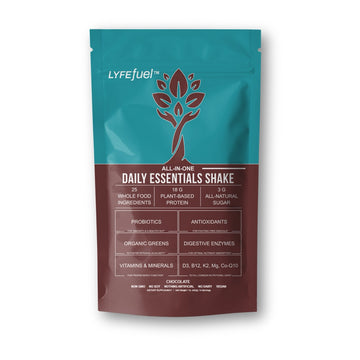
LyfeFuel’s plant-based protein powder offers a complete amino acid profile without artificial additives. Read this article to learn more about choosing the best protein powder for your specific needs.
Optimize Protein Timing for Muscle Protein Synthesis
Research has demonstrated that evenly distributing protein intake throughout the day (30g minimum per meal, three times daily) is superior for maintaining muscle mass compared to the typical pattern of low protein at breakfast and lunch with a large amount at dinner.
This balanced approach helps:
- Maintain optimal blood amino acid levels
- Reach the threshold necessary to stimulate muscle protein synthesis
- Support balanced macronutrient intake for blood sugar stability
- Maximize metabolic efficiency
Planning meals with adequate protein supports both long-term health and optimal energy levels.
Conclusion
The scientific evidence is clear: protein is essential for muscle strength, energy, immune function, and overall body performance. Recognizing the early signs of protein deficiency can prevent long-term health consequences and support optimal metabolic function.
By incorporating protein-rich whole foods and, when necessary, high-quality supplementation, you can maintain optimal health and ensure your body receives the necessary fuel for peak performance—an evidence-based approach to long-term well-being.
References
- Lyon, G. (2017). The Lyon Protocol: Muscle as the organ of longevity. The Ash Center.
- Mamerow, M. M., Mettler, J. A., English, K. L., Casperson, S. L., Arentson-Lantz, E., Sheffield-Moore, M., Layman, D. K., & Paddon-Jones, D. (2014). Dietary protein distribution positively influences 24-h muscle protein synthesis in healthy adults. The Journal of Nutrition, 144(6), 876–880.
- Phillips, S. M., & McGlory, C. (2014). CrossTalk proposal: The dominant mechanism causing disuse muscle atrophy is decreased protein synthesis. The Journal of Physiology, 592(24), 5341–5343.
- Delimaris, I. (2013). Adverse effects associated with protein intake above the recommended dietary allowance for adults. ISRN Nutrition, 2013, 126929.
- Guo, E. L., & Katta, R. (2017). Diet and hair loss: effects of nutrient deficiency and supplement use. Dermatology Practical & Conceptual, 7(1), 1–10.
- Stechmiller, J. K. (2010). Understanding the role of nutrition and wound healing. Nutrition in Clinical Practice, 25(1), 61–68.
- Li, P., Yin, Y. L., Li, D., Kim, S. W., & Wu, G. (2007). Amino acids and immune function. The British Journal of Nutrition, 98(2), 237–252.
- Rogerson, D. (2017). Vegan diets: practical advice for athletes and exercisers. Journal of the International Society of Sports Nutrition, 14, 36.
Related Articles
Learn more: Read our comprehensive Pea Protein Guide for a deep dive into benefits, nutrition facts, and comparisons.